Explained · editorial interpretation
Why the Emotional Spectrum Works
Seven emotional lights, plus life and death: a reading of what the spectrum does for these stories.
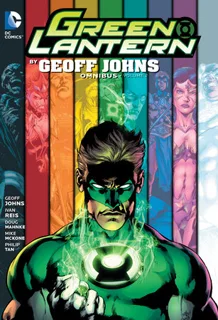
The Johns era reorganized longstanding elements of the mythos around an emotional spectrum. It did not invent every colored ring or establish the original yellow weakness as fear from the beginning: Rebirth supplied that later explanation. The emotional spectrum is now the engine of the entire mythos. Here's why it works so well.
This essay interprets themes from Rebirth, Blackest Night, and the Indigo Tribe's later history. It discusses revelations. For a premise-first route, use the reading guide.
How the mythology expanded
The expansion happened fast. Green Lantern: Rebirth (2004–05) unmasked the yellow impurity as the fear entity Parallax. The Sinestro Corps War (2007) weaponized that fear. Then, in a legendary run of issues — Rage of the Red Lanterns (2008), Agent Orange (2009), Blackest Night (2009–10) — Johns filled in the rest of the rainbow: rage, avarice, hope, compassion, love, and finally life and death themselves. The emotional lights acquired distinct factions and entities, while white life and black death framed the struggle around them. Those two forces are not additional emotions or identical organizations with matching rules.
Every emotion is a story engine
The genius of the spectrum is that each color generates its own kind of story. Rage (Red) gives you Atrocitus and the blood ocean of Ysmault — stories about what fury costs. Avarice (Orange) gives you Larfleeze, alone with everything and nothing — a tragedy about wanting. Hope (Blue) gives you Saint Walker, whose faith makes everyone around him stronger — stories about what belief can do. Compassion (Indigo) gives you the Tribe's forced redemption — stories about whether mercy can be imposed. Love (Star Sapphire) gives you Carol Ferris — stories about the line between devotion and possession.
Each Corps is a thesis about its emotion, argued through characters. That's not worldbuilding — that's a narrative machine.
Why it resonates
On a deeper level, the spectrum works because it externalizes the interior. Every reader knows what it feels like to be consumed by rage, hollowed by greed, or lifted by hope. The spectrum takes those private experiences and makes them cosmic — your worst day becomes a red ring, your best a blue one. The Corps quiz on this very site exists because people recognize themselves in the colors.
And the entities — Ion, Parallax, Ophidian, Butcher, Adara, Proselyte, Predator, the Life Entity — turn abstract feelings into characters you can argue with, fight, or mourn. Parallax isn't just "fear"; it's the thing that ate Hal Jordan. That's the spectrum's real trick: it makes emotions happen to people.
The risk — and how the best stories dodge it
Color-coding emotions could have been reductive — rage bad, hope good, roll credits. The best spectrum stories refuse that. The Indigo Tribe wields compassion through brainwashing: is forced mercy still mercy? Larfleeze's avarice is played as cosmic horror and genuine tragedy. The Star Sapphires' love curdles into control. Even willpower — the hero color — curdles in Sinestro's hands into domination. The spectrum works because its stories keep asking whether the emotion is the master or the servant.
Nine colors. Nine ways to be alive. That's not a gimmick — it's the most honest map of the human heart that superhero comics have ever drawn.