Behind the Scenes

The
Creators

The writers and artists who forged the mythos — the hands behind the rings.

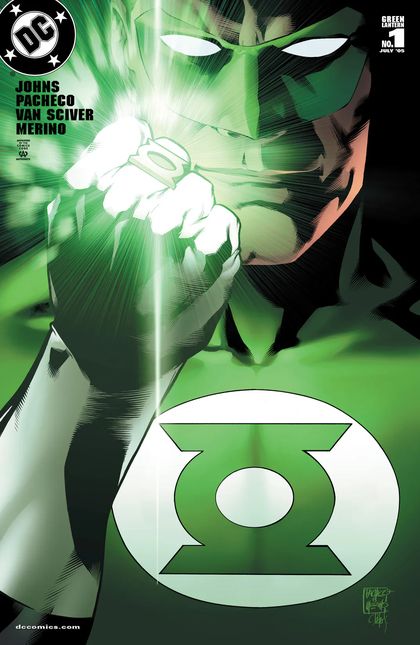
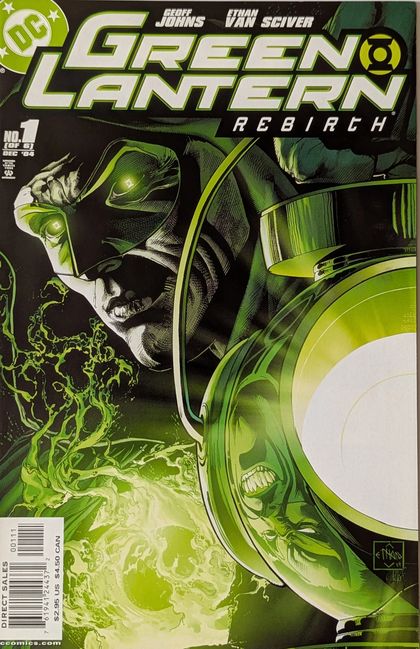
Green Lantern: Rebirth cover art

Writer — the modern saga

Geoff Johns

The architect of the modern Green Lantern mythos. His nine-year run (2004–2013) — from Rebirth through Blackest Night — created the emotional spectrum, the nine corps, and the saga this site is built around. No one has shaped the franchise more. Johns treated the Corps like a living mythology: every arc added a piece of lore (the Book of Oa's forbidden chapter, the entities, the prophecies) that paid off years later. His run remains the definitive modern starting point — it's the backbone of this site's reading order.
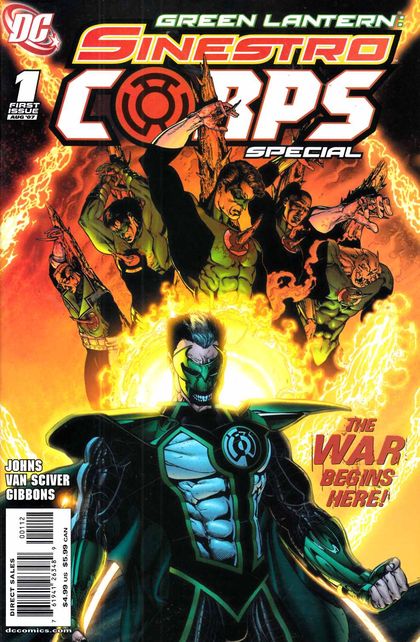
Sinestro Corps War cover art

Artists — the modern saga

Ethan Van Sciver & Ivan Reis

The definitive visual voices of the Johns era. Van Sciver's hyper-detailed Rebirth and Sinestro Corps War set the tone; Reis's Blackest Night gave the saga its epic scale. Their designs — the corps uniforms, the entities — are the ones you picture. Van Sciver packed panels with alien Lanterns and intricate constructs; Reis brought a cinematic sweep to the war scenes. Together with Johns, they made Green Lantern DC's best-selling cosmic book for the better part of a decade.

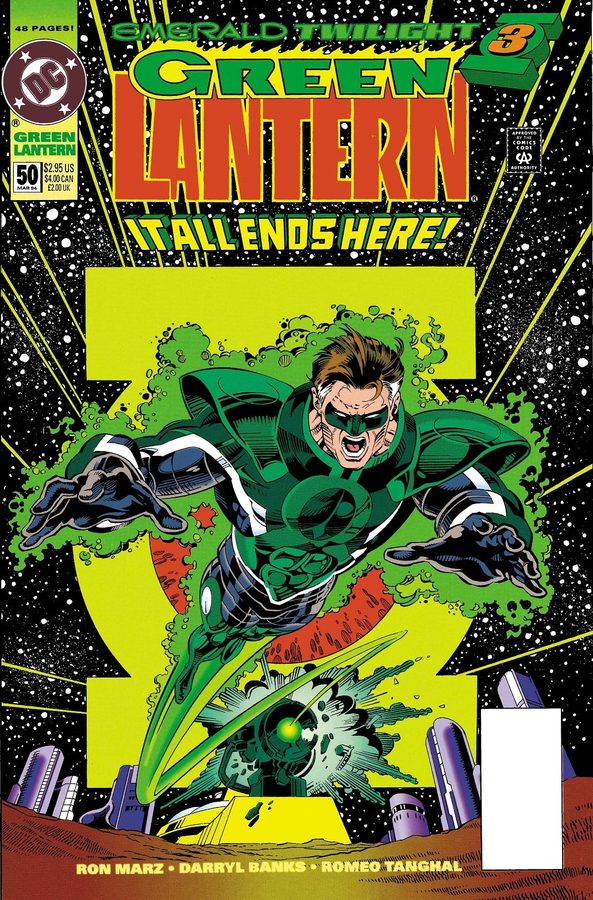
Emerald Twilight cover art

Writer & artist — the Kyle Rayner era

Ron Marz & Darryl Banks

When Hal Jordan fell in Emerald Twilight (1994), Marz and Banks built what came next: Kyle Rayner, the Torchbearer, carrying the last ring alone. Their decade-long run kept the franchise alive through its darkest years. Banks' sleek, expressive art gave Kyle a distinct visual identity — the mask, the redesigned uniform — while Marz wrote him as a young artist learning heroism from scratch. The run introduced Jade's romance, the Ion saga, and proved the franchise could survive without Hal.

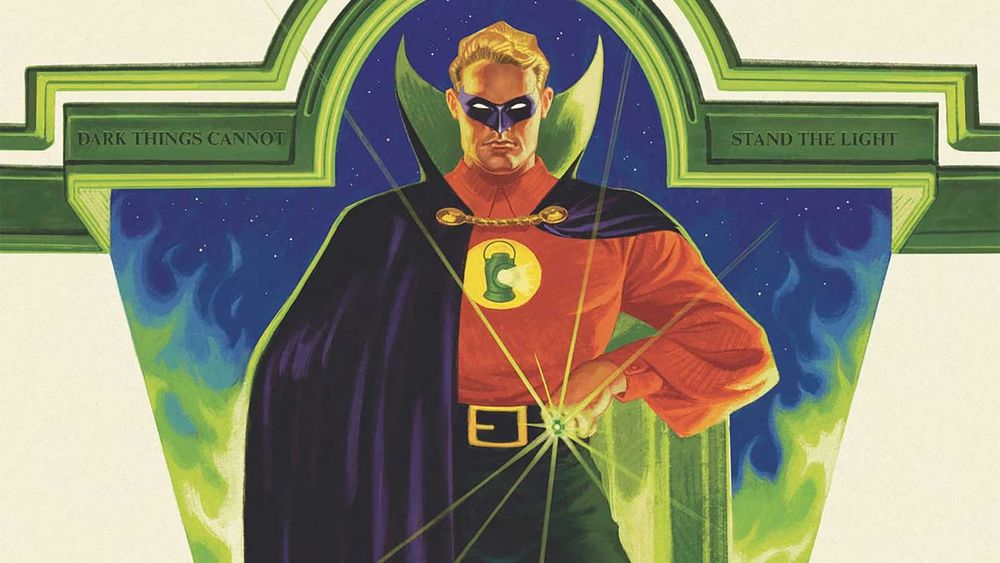
Golden Age Green Lantern art

Writer & artist — "Tygers"

Alan Moore & Kevin O'Neill

In a single 1986 annual story, Moore and O'Neill gave the Corps its greatest prophecy — naming Sodam Yat the ultimate Lantern — and deepened the mythology more in 40 pages than most runs manage in years. "Tygers" (Tales of the Green Lantern Corps Annual #2) wove the Corps' history into a meditation on prophecy, destiny, and the weight of the ring. Moore's dense, literary scripts and O'Neill's grotesque, beautiful art made it an instant classic — and Johns would mine it for decades.

Silver Age Green Lantern cover art

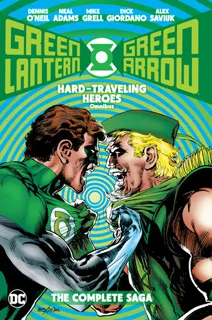
Writer & artist — Hard Traveling Heroes

Denny O'Neil & Neal Adams

In 1970–71, O'Neil and Adams took Hal Jordan off-world and onto America's highways, pairing him with Green Arrow for socially conscious stories that proved superhero comics could grapple with real issues. The run that made Green Lantern matter. Adams' photorealistic art was revolutionary — every panel looked like a film still — while O'Neil wrote about racism, drug addiction, and environmental destruction. The famous "Snowbirds Don't Fly" arc remains one of comics' landmark stories.

Golden Age Green Lantern art

Writer & artist — the Silver Age

John Broome & Gil Kane

The creators of Hal Jordan himself. From Showcase #22 (1959), Broome's cosmic imagination and Kane's dynamic, elongated figures defined the Silver Age Green Lantern — Sinestro, the Guardians, Oa, and the Corps itself all started here. Broome invented the sci-fi concepts (the power battery, the 24-hour charge, the yellow impurity) that still power the mythology; Kane's anatomy-defying action made every construct feel alive. Their 100+ issue run built the entire foundation.

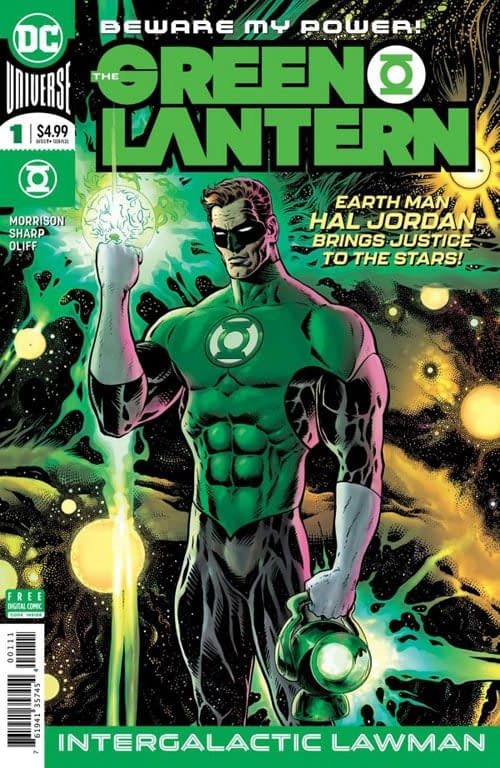
The Green Lantern by Morrison and Sharp cover

Writer & artist — The Green Lantern

Grant Morrison & Liam Sharp

Morrison's 2019–21 run reimagined Hal Jordan as a cosmic beat cop in a psychedelic police procedural — the most divisive and discussed GL run in years. Love it or hate it, nobody else writes Lanterns like this. Sharp's painted, hallucinatory art matched Morrison's reality-bending scripts beat for beat: each issue was a standalone "case file" that quietly built toward a multiversal crisis. The run dared to ask what a Green Lantern story could be — and answered with something nobody expected.

Creator bios are original summaries. Independent fan tribute.

Artwork credits (6 images)

Credits refer to the illustrations shown here. Open a record for sources, adaptations and unresolved details. Some artwork and source pages contain story spoilers.

Books & collectibles

As an Amazon Associate I earn from qualifying purchases. Details.

Keep Exploring

The lore goes deeper. Pick your next stop.

Meet the Lanterns

70 characters

Bios, first appearances, portraits

Which Corps Are You?

12 questions

The ring decides

Reading Guides

Comics reading order

Find your first story or continue the Johns saga