Pick the route that sounds best to you. Each begins at a different point.
As an Amazon Associate I earn from qualifying purchases. Details.
One complete book
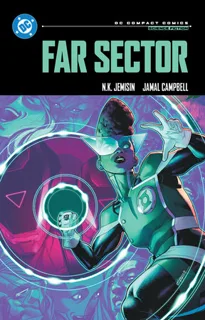
Start with Far Sector by N. K. Jemisin and Jamal Campbell. Jo Mullein investigates a murder in a city where emotion is suppressed. No background reading needed.
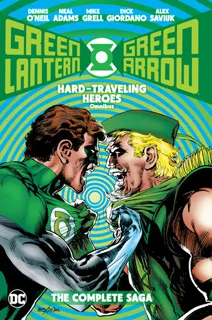
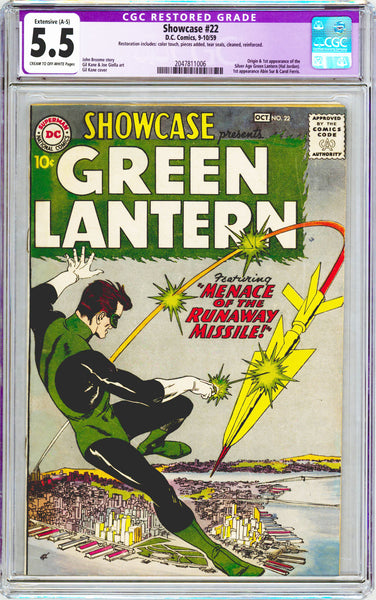
Start with Hard-Traveling Heroes for Hal and Green Arrow’s 1970s road stories. The basic Green Lantern premise is enough. For Hal’s first appearance, try Showcase #22 (1959).
A core route from Rebirth to the 2013 finale, with optional branches marked. Dates below are publication dates. “Green Lantern (2005)” and “Green Lantern (2011)” identify different series with repeating issue numbers.
Premise-level guide: This sequence avoids endings, though titles and later starting points reveal changes in the status quo. Linked story pages may contain labeled plot history.
Use the issue ranges to check the contents of the edition you choose. Collections can overlap, and digital availability varies by region and subscription. Publisher links below verify contents rather than promising access to every issue.
Already own some of the early collections? Compare your editions to see where they overlap.
Your checkmarks are saved in this browser. Optional branches and later paths have separate counts.
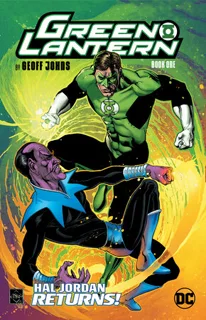
One book to start the Johns saga
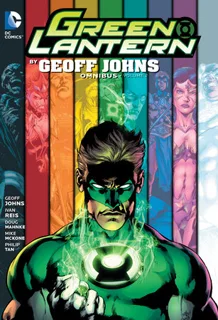
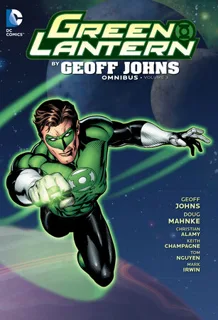
The paperback Green Lantern by Geoff Johns Book One covers the opening stretch of the checklist, including Rebirth #1–6, Recharge #1–5, and the first three issues of the 2005 series.
As an Amazon Associate I earn from qualifying purchases. Details.
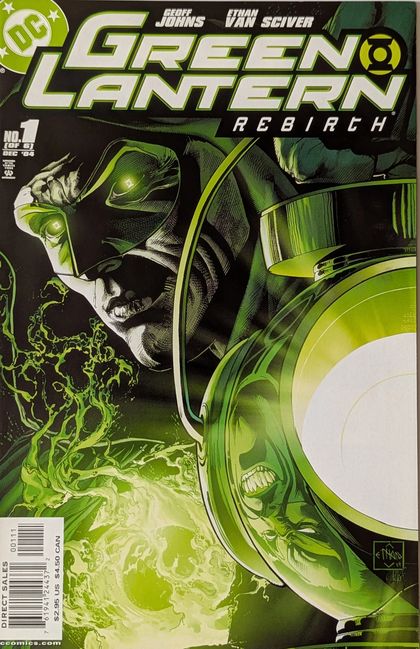
Core · six issues. Hal Jordan’s return sets up the modern saga. It explains his earlier fall; you do not need every 1990s comic first. For a simpler introduction, try the Hal origin route.
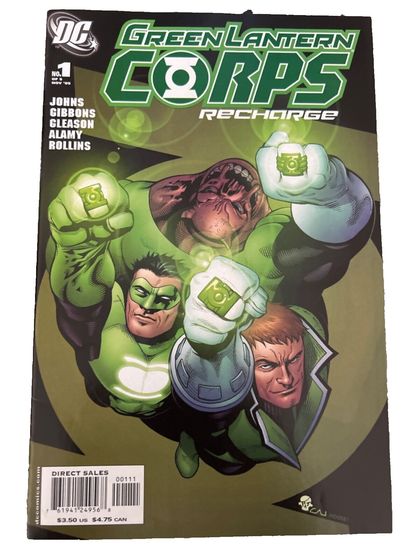
Optional ensemble branch · five issues. Guy Gardner, Kyle Rayner and new recruits rebuild the Corps. Read after Rebirth; it adds context to the wider cast.
Read:Green Lantern Corps: Recharge #1–5. Continue into Green Lantern Corps (2006) #1–13 if you want its pre-war ensemble adventures.
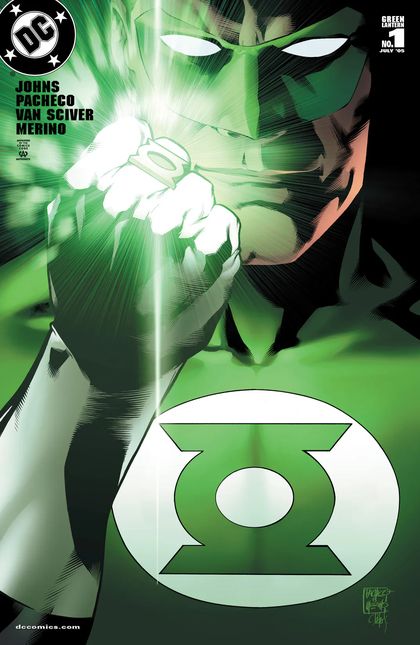
Core · twenty issues. Hal resumes life on Earth while old enemies and the Lost Lanterns challenge his return. Stop at #20 here: #21–25 belong to the crossover below.
Read:Green Lantern (2005, vol. 4) #1–20. Green Lantern by Geoff Johns Book One includes #1–3; Book Two contains #4–20.
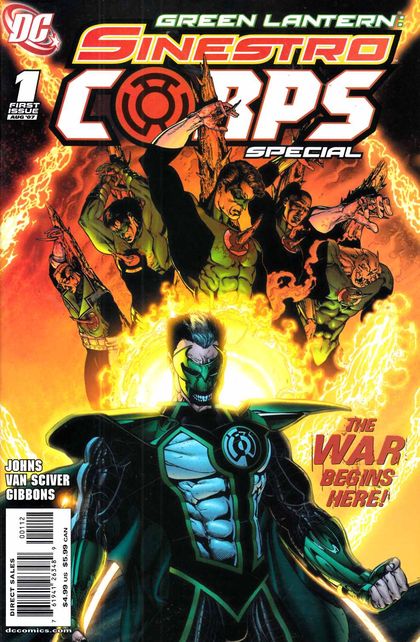
Core crossover. Sinestro turns fear into an army. This crosses Hal’s series with Green Lantern Corps; the combined collection is the simplest way to follow both.
Read:Green Lantern: Sinestro Corps Special #1, Green Lantern (2005) #21–25, and Green Lantern Corps (2006) #14–19, including the aftermath. Read the combined collection in its printed sequence, or use the individual-issue order.
Core bridge · three issues. The Guardians reshape their police force after the war. These chapters close the gap between the crossover and Hal’s origin flashback.
Read:Green Lantern (2005) #26–28. These are included at the start of the Rage of the Red Lanterns collection; read them only once.
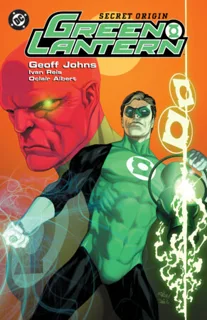
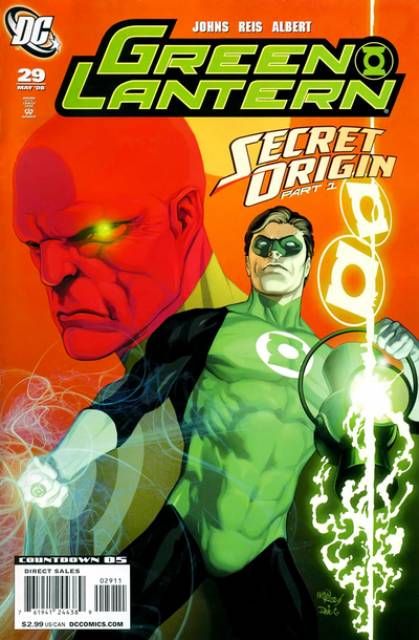
Core origin · seven issues · can be read first. This flashback introduces Hal, Abin Sur and Sinestro while planting clues for the War of Light. Read it here for publication order, or first for an origin-led introduction. Either choice fills this same checklist stop.
Read:Green Lantern (2005) #29–35, collected as Green Lantern: Secret Origin.
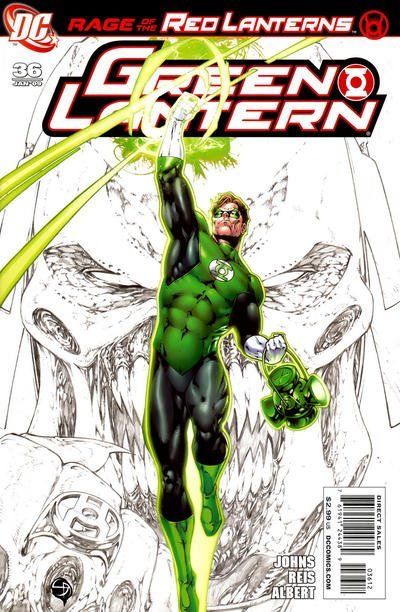
Core · special plus three issues. Atrocitus brings the red light into the conflict. The special provides the Lantern story’s setup without requiring the whole Final Crisis event for this route.
Read:Final Crisis: Rage of the Red Lanterns #1, then Green Lantern (2005) #36–38. The collection also contains #26–28, already covered in the Alpha Lanterns stop.
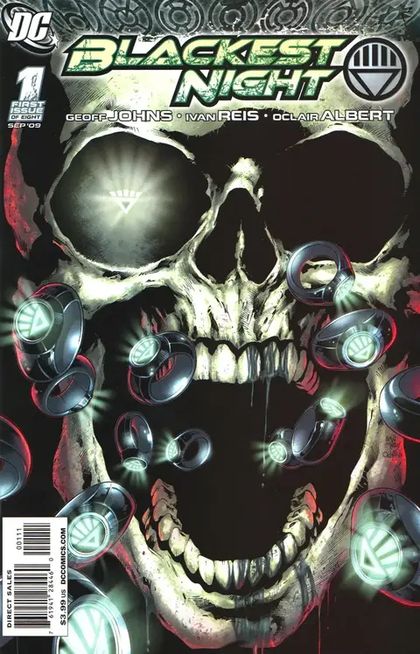
Core event and Lantern track. The dead rise as the Corps’ conflicts converge. The event miniseries and Hal’s book tell overlapping parts of the story; the core paperback does not contain all the Lantern chapters.
Read:Blackest Night #0–8 plus Green Lantern (2005) #43–52, collected separately as Blackest Night: Green Lantern. A combined omnibus includes both and many optional tie-ins.
Optional expansion:Green Lantern Corps (2006) #39–47 follows the ensemble. Other heroes’ tie-ins expand the event but are not required for this Lantern route.
Core Lantern continuation · ten issues. Hal and the representatives of the spectrum investigate the emotional entities. This is the direct Lantern bridge to War of the Green Lanterns.
Read:Green Lantern (2005) #53–62, collected as Green Lantern: Brightest Day. This is a different book from the central Brightest Day series below.
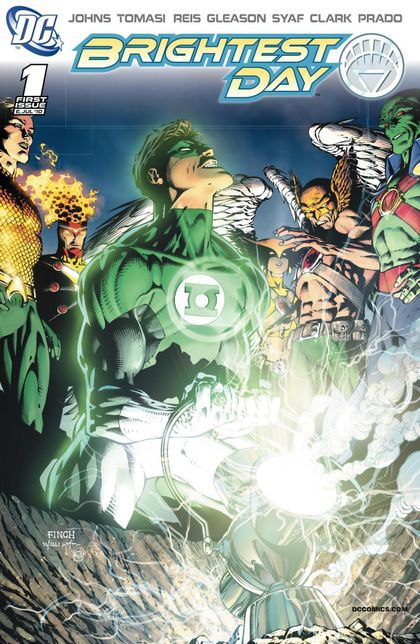
Optional parallel series. Follow the resurrected heroes beyond the Corps. Read after Blackest Night if you want the wider DC aftermath; it does not replace Hal’s #53–62.
Read:Brightest Day #0–24, collected across three volumes or a complete edition. Choose this in addition to Green Lantern: Brightest Day.
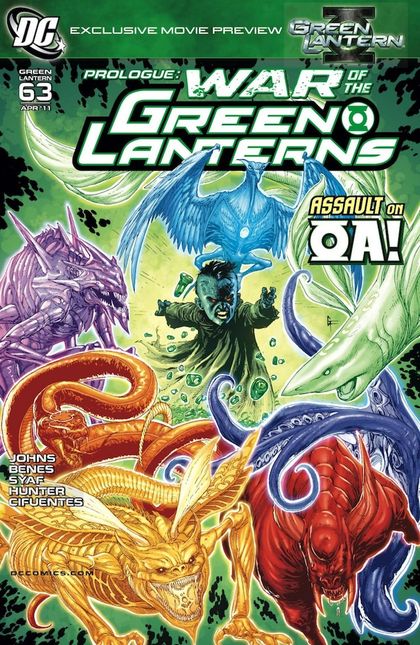
Core crossover · leads into the New 52. A crisis inside the Corps forces the Earth Lanterns to act together. This closes the 2005 series, but Johns’ story continues through the 2011 relaunch.
Read:Green Lantern (2005) #63–67, Green Lantern Corps (2006) #58–60, and Green Lantern: Emerald Warriors #8–10. Include #67: it is the finale, although an older collection listing stops at #66.
Core · new numbering, continuing story. The New 52 retains the central Lantern history. Read after War of the Green Lanterns; the conclusion arrives in #20, not at the end of the 2005 series.
Read:Green Lantern (2011, vol. 5) #1–12, Annual #1, #0, then #13–20. The annual and #0 belong between #12 and #13.
Collections and the two closing crossovers
Sinestro collects #1–6; The Revenge of Black Hand collects #7–12 and Annual #1.
The End collects #0 and #13–20 for the Hal/Simon track.
For the full ensemble, Rise of the Third Army gathers #13–16 of Green Lantern, Green Lantern Corps, Red Lanterns and New Guardians, plus Green Lantern Corps Annual #1.
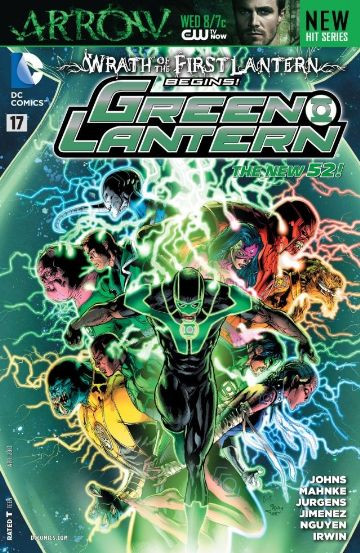
Wrath of the First Lantern gathers #17–20 of those four series. Use the crossover collections’ sequence; their Green Lantern chapters overlap The End, so you do not need to read those twice.
Choose a lead or a style after the saga, or use the marked entry points on their own. These are curated branches, not a claim to list every intervening comic.
Optional Corps branch. Follow the red light beyond its role in Hal’s series. Familiarity with Rage of the Red Lanterns helps; this runs alongside the New 52 titles.
Read: Start with Red Lanterns #1. Its #13–20 overlap the Third Army and First Lantern crossovers listed above.
New entry point · ensemble. Robert Venditti’s run reunites Hal, John, Guy and Kyle. It follows intervening New 52 stories, but its Rebirth special introduces the immediate situation.
Read: Begin with Hal Jordan and the Green Lantern Corps: Rebirth #1, then #1–7 of the regular series. These form Vol. 1: Sinestro’s Law.
New entry point · Jessica and Simon. Jessica Cruz and Simon Baz protect Earth as partners. This is a parallel choice to Hal Jordan and the Green Lantern Corps, not its sequel.
Read:Green Lanterns: Rebirth #1, then Green Lanterns #1–6, collected as Vol. 1: Rage Planet.
Later path · cosmic detective fiction. Hal works strange cases that develop into a larger conspiracy. Knowing Hal and the Corps helps; finishing every prior run is not a prerequisite.
Read:The Green Lantern #1–12, then Green Lantern: Blackstars #1–3, then The Green Lantern Season Two #1–12. The 2019 annual is a side story in the first-season period.
Later path · John, Jo and the Corps. Geoffrey Thorne’s run puts John Stewart and Jo Mullein at the center of a Corps crisis. Read Far Sector first if you want Jo’s introduction; Morrison’s run is not required.
Read:Green Lantern (2021) #1–12 and its 2021 Annual #1. The two collections are Invictus and Horatius.
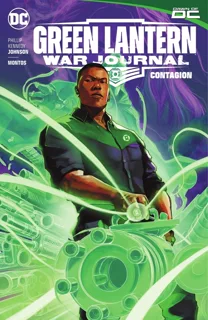
Recent entry points · choose Hal or John. Jeremy Adams’ series returns Hal to Earth; Phillip Kennedy Johnson and Montos’ completed War Journal follows John’s family and a cosmic threat. You can choose either lead.
Read: For Hal, begin with Green Lantern (2023) #1. For John, read Green Lantern: War Journal #1–12 (2023–2024).
Hal’s return to Earth, John’s completed War Journal, and the 2025 Corps series.
Fictional history
A broad sequence of events in the main comic tradition, drawing on the modern Johns-era account. Ancient events lack a fixed calendar, and retellings change details. A comic’s release year is not the year its event happened.
Alan Scott’s Golden Age legacy, later versions of Earth-2, the Absolute Universe and screen adaptations need different continuity labels. Read the continuity guide before combining them.
Open fictional history — spoilers through Wrath of the First Lantern (2013)
This section names deaths, transformations and outcomes. It is for understanding the lore after reading, rather than choosing a first book.
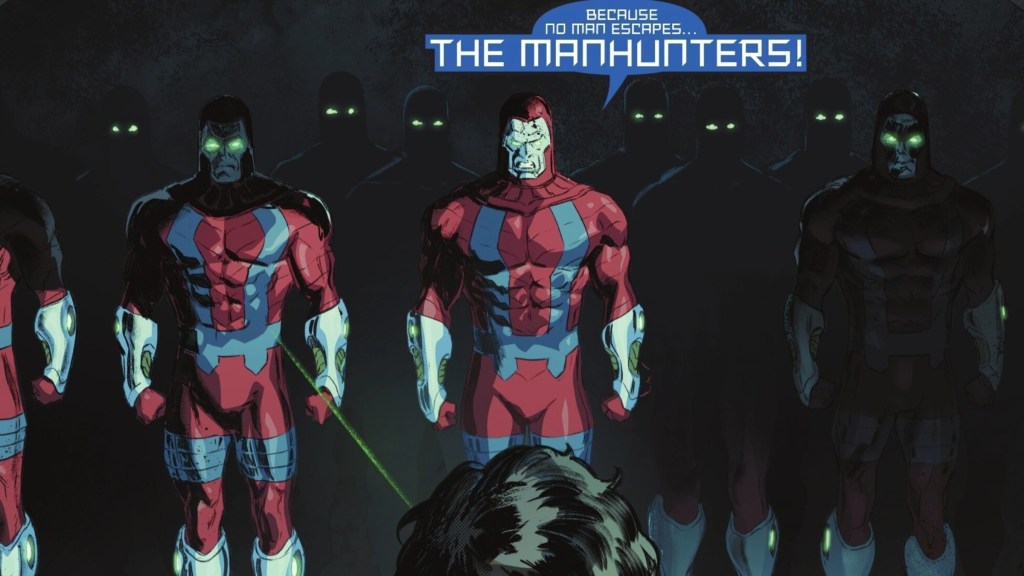
The Guardians’ android enforcers devastate Sector 666. Atrocitus survives; the catastrophe becomes part of the history behind the living Corps and the Red Lanterns. See also the Manhunter rebellion.
Publication context: A history revealed and revised across later stories.
In the explanation introduced by Rebirth, the fear entity’s ancient imprisonment in the Central Power Battery accounts for the green rings’ yellow weakness. The revelation belongs to Hal’s modern return; the imprisonment does not.
Publication context: Revealed: Green Lantern: Rebirth (2004–2005).
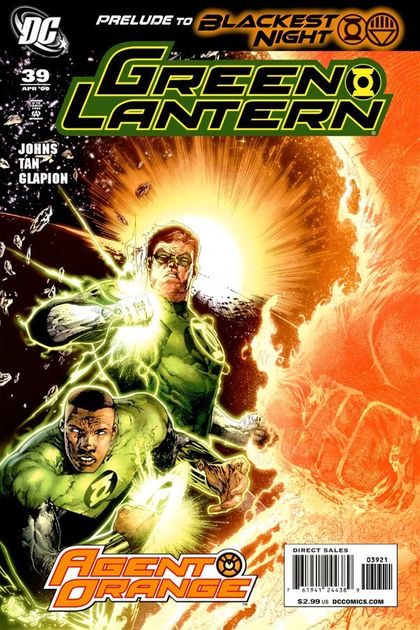
Larfleeze’s possession of the orange light and an old agreement with the Guardians explain why the Vega system matters later. Its age is not a publication date.
Publication context: Explored: Agent Orange, Green Lantern (2005) #39–42 (2009).
Abin Sur’s final flight ends on Earth, where his ring chooses Hal Jordan. Retellings change the details without making each version a second recruitment.
A failed mission on Xanshi becomes a lasting burden for John Stewart. This happens during his established career, not in the literal year printed on the comic.
Publication context: Told in Cosmic Odyssey (1988).
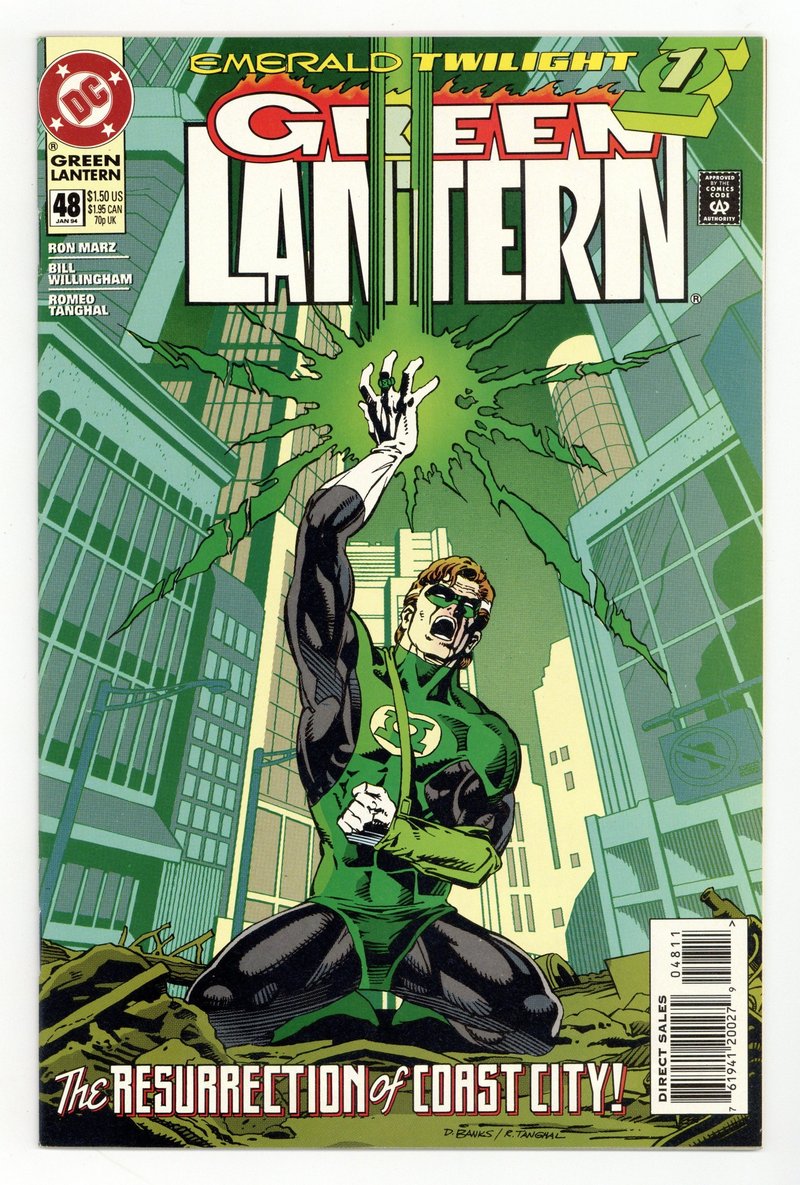
Hal’s crisis devastates the Corps. Rebirth later reframes this period through Parallax; the original story and the later explanation have different publication contexts.
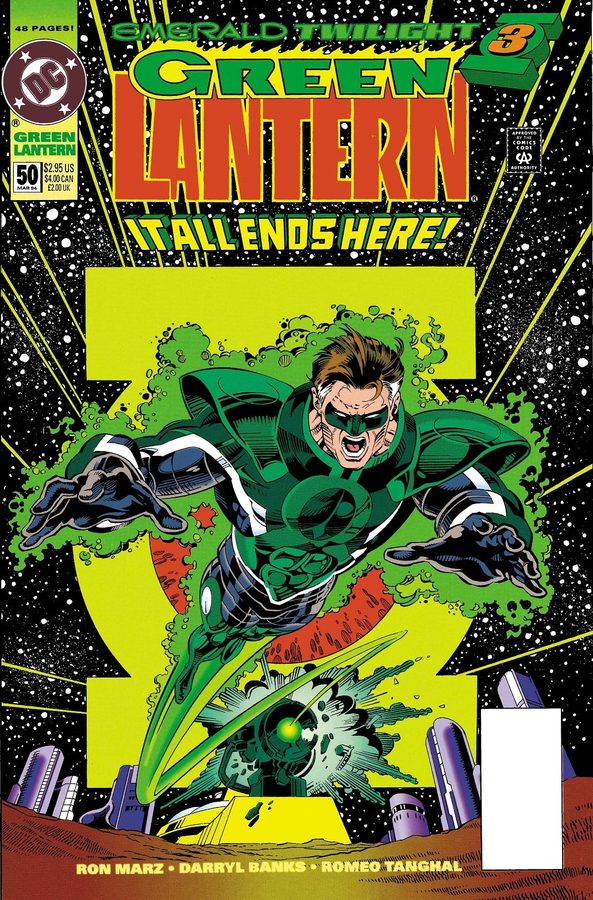
Publication context: Green Lantern (1990) #48–50 (1994).
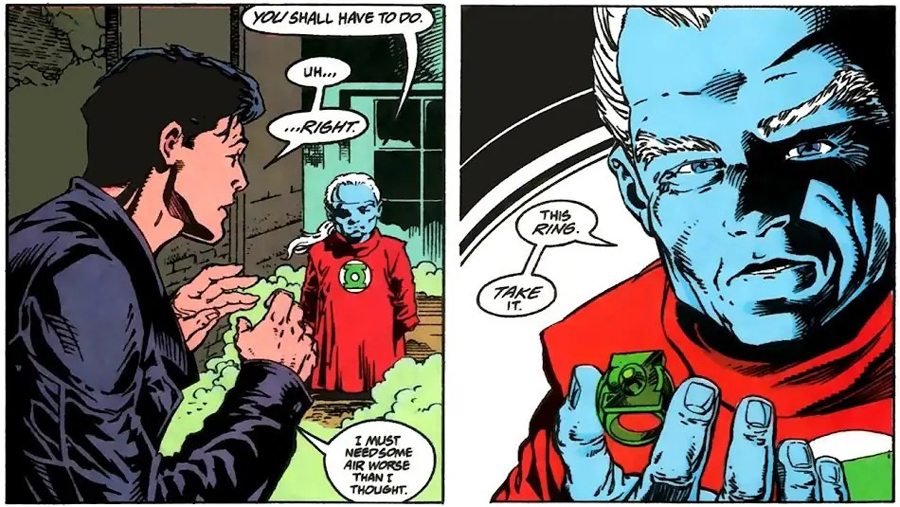
Ganthet gives Kyle Rayner a ring. Kyle’s early stories include Alexandra DeWitt’s death, a major loss and a later focus of criticism about women’s treatment in superhero comics.
Publication context: Green Lantern (1990) #50 and #54 (1994).
The search for the entities leads to a crisis within the Corps. Its outcome sets up the next Green Lantern series; the New 52 numbering does not erase this history.
Publication context: Published in 2011 across Green Lantern, Corps and Emerald Warriors.
Publication context: Wrath of the First Lantern (2013).
Retellings and stories without a fixed place
Emerald Dawn retells Hal’s early career in a post-Crisis version; Secret Origin revisits it for the Johns saga. They are alternate accounts of an origin, not new events in 1989 and 2008. Mogo Doesn’t Socialize is a Corps tale whose 1985 publication date does not pin its events to a calendar year.
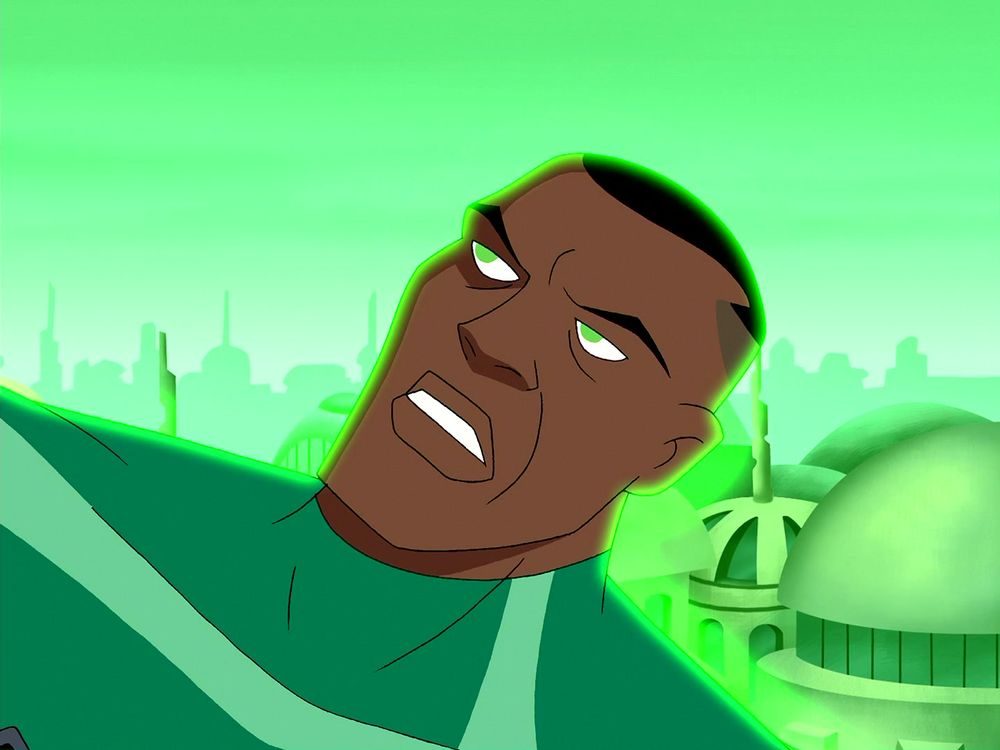
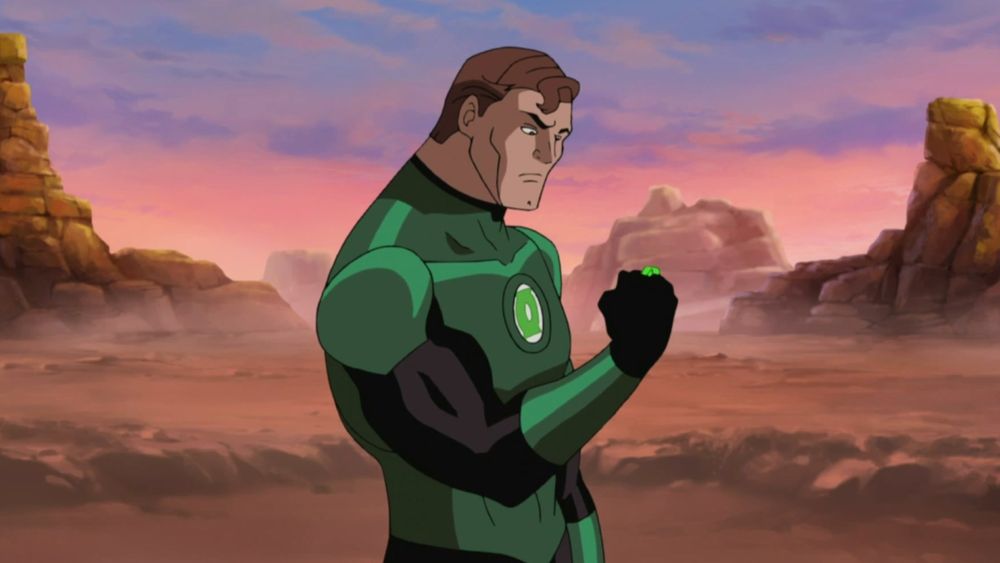
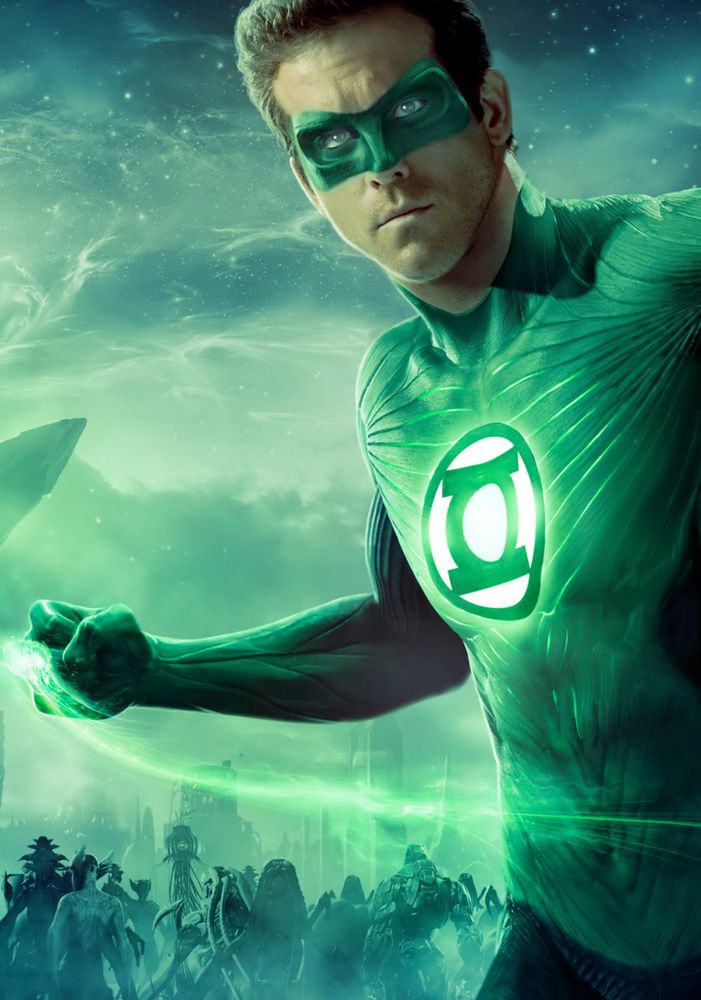
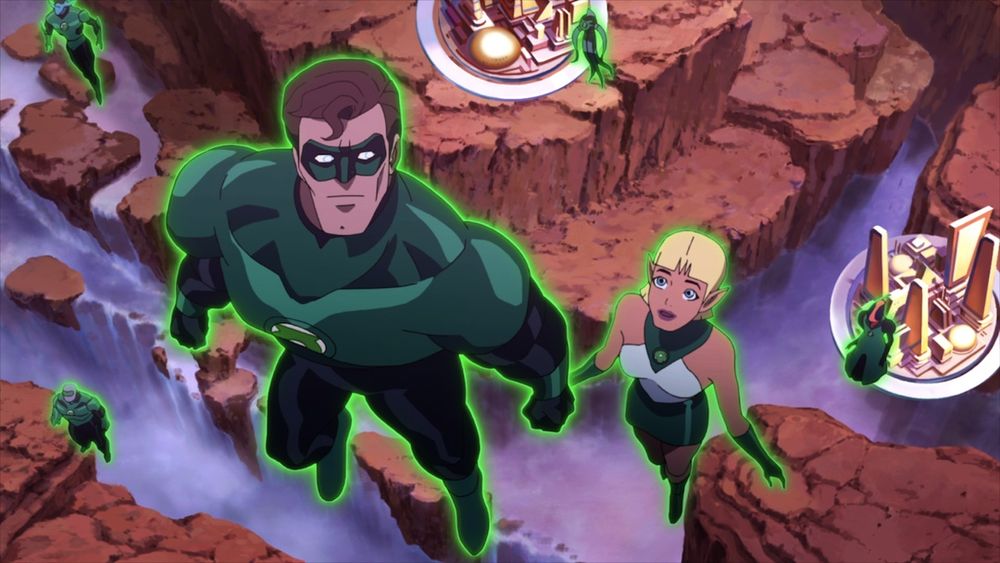
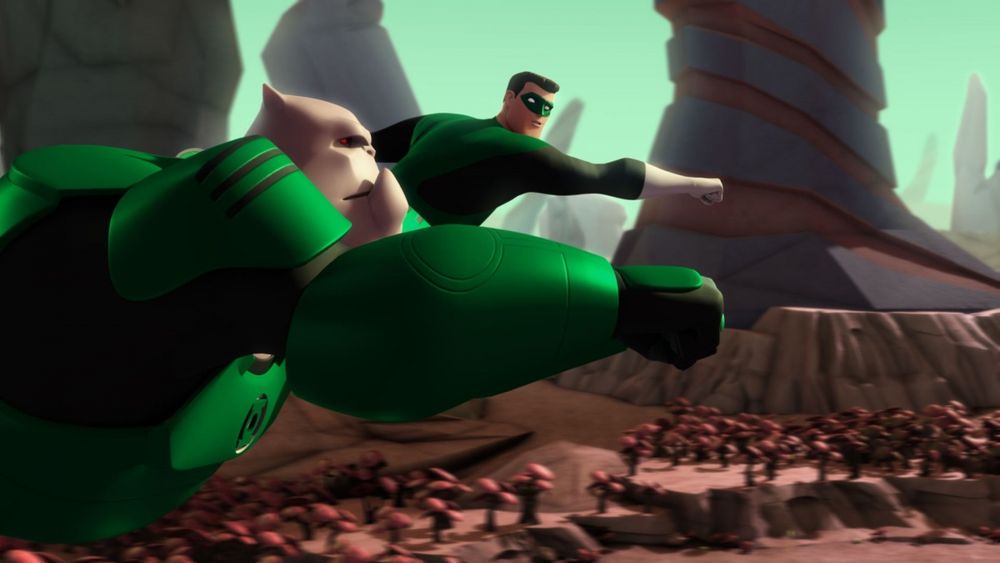
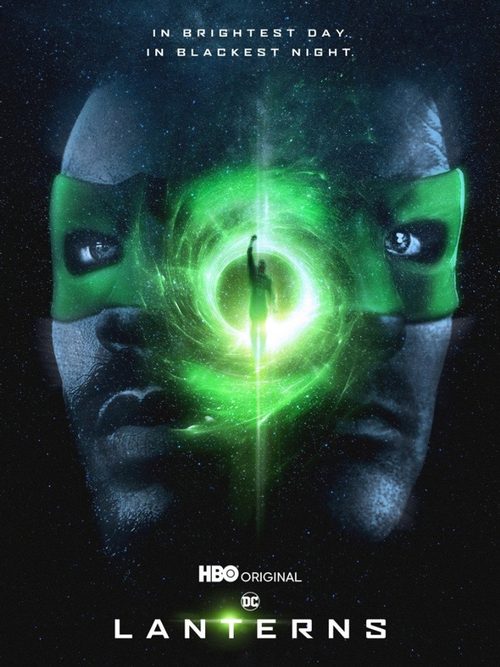
Screen images: promotional stills and posters — fan tribute.
Artwork credits (45 images)
Credits refer to the illustrations shown here. Open a record for sources, adaptations and unresolved details. Some artwork and source pages contain story spoilers.
Rebirth — Green Lantern: Rebirth (2004) #1 — cover artwork. Ethan Van Sciver (cover pencils and inks); Peter Steigerwald (cover colors).
Recharge — Green Lantern Corps: Recharge (2005) #1 — main cover. Patrick Gleason (cover pencils); Christian Alamy (cover inks); Moose Baumann (cover colors).
Gl1 — Green Lantern (2005) #1 — Alex Ross variant cover. Alex Ross (painted variant cover art).
Scw — Green Lantern: Sinestro Corps Special (2007) #1 — second-printing cover. Ethan Van Sciver (cover art).
Alpha Lanterns — Green Lantern (2005) #26 — cropped main-cover artwork. Mike McKone (cover pencils); Andy Lanning (cover inks); Moose Baumann (cover colors).
Secret Origin — Green Lantern (2005) #29 — main cover. Ivan Reis (cover art); Dave McCaig (cover colors).
Rage — Green Lantern (2005) #36 — second-printing cover treatment. Shane Davis (original cover pencils); Sandra Hope (original cover inks); Nei Ruffino (original cover colors).
Agent Orange — Green Lantern (2005) #39 — Philip Tan variant artwork, used for the second printing. Philip Tan (cover pencils); Jonathan Glapion (cover inks); Nei Ruffino (cover colors).
Blackest Night — Blackest Night (2009) #1 — main cover. Ivan Reis (cover pencils); Oclair Albert (cover inks); Alex Sinclair (cover colors).
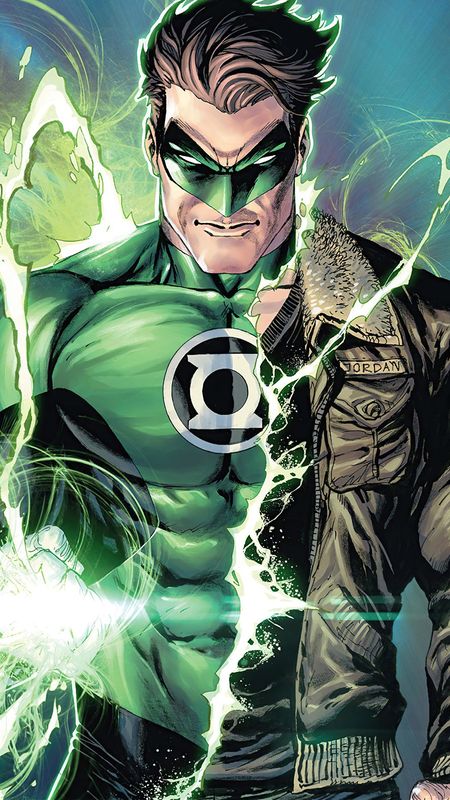
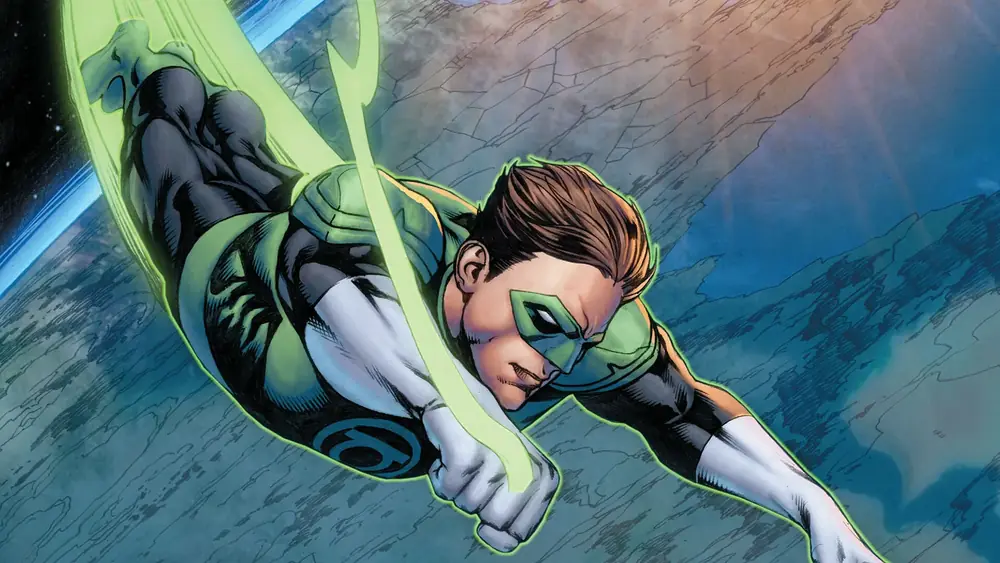
Hal Jordan — Hal Jordan and the Green Lantern Corps #45 (2018), Tyler Kirkham variant cover, cropped detail. Tyler Kirkham (cover pencils and inks); Arif Prianto (cover colors).
Brightest Day — Brightest Day (2010) #1 — main cover. David Finch (cover pencils); Scott Williams (cover inks); Peter Steigerwald (cover colors).
Wotgl — Green Lantern (2005) #63 — main cover. Gary Frank (cover art).
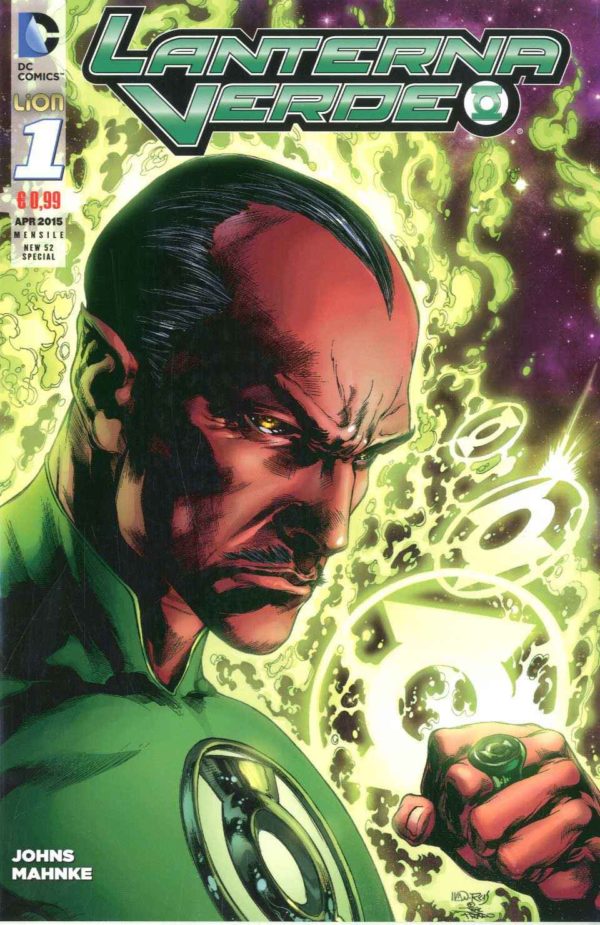
Gl Vol5 — Italian Lanterna Verde #1 edition using Green Lantern (2011) #1 main-cover artwork. Ivan Reis (original cover pencils); Joe Prado (original cover inks); Rod Reis (original cover colors).
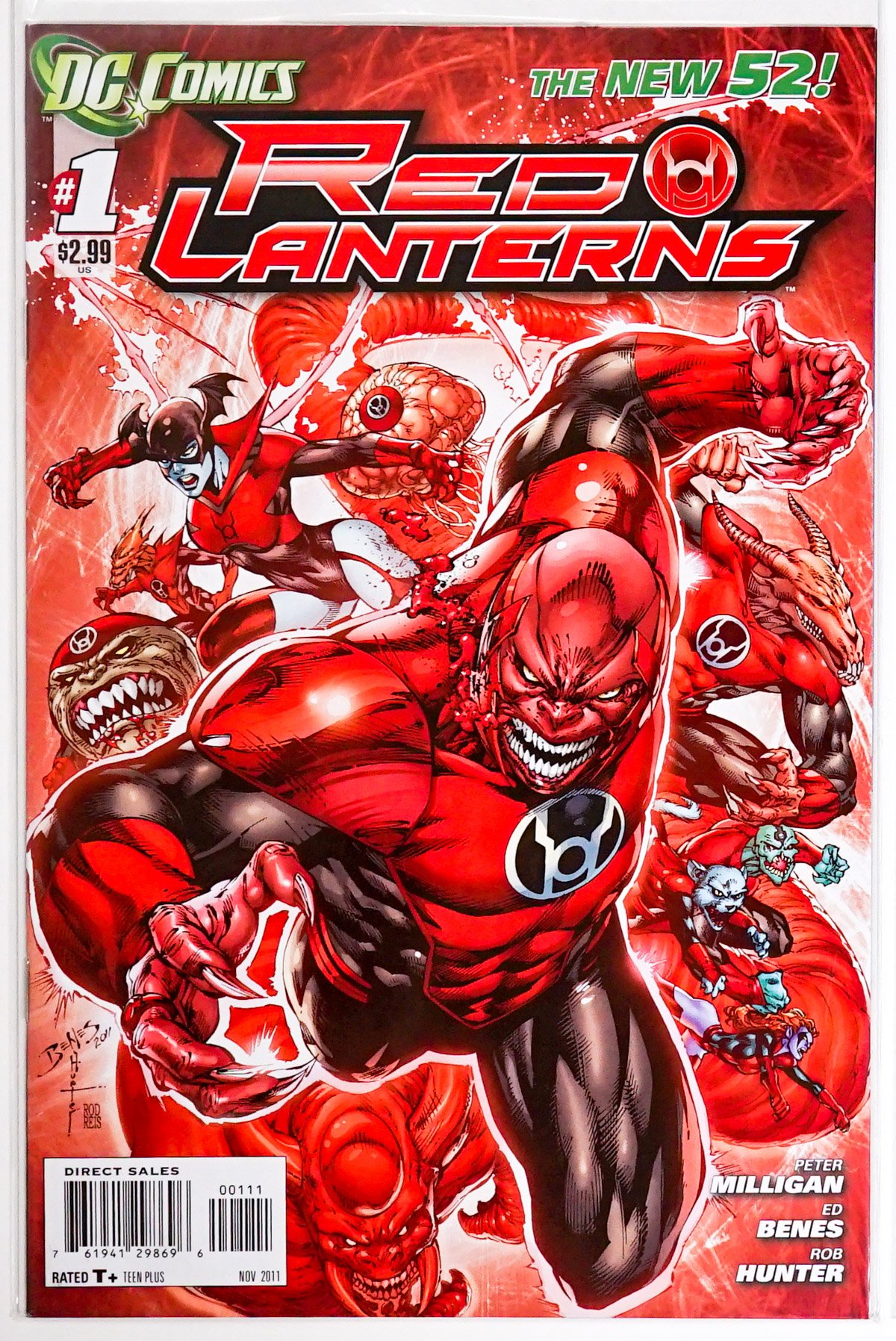
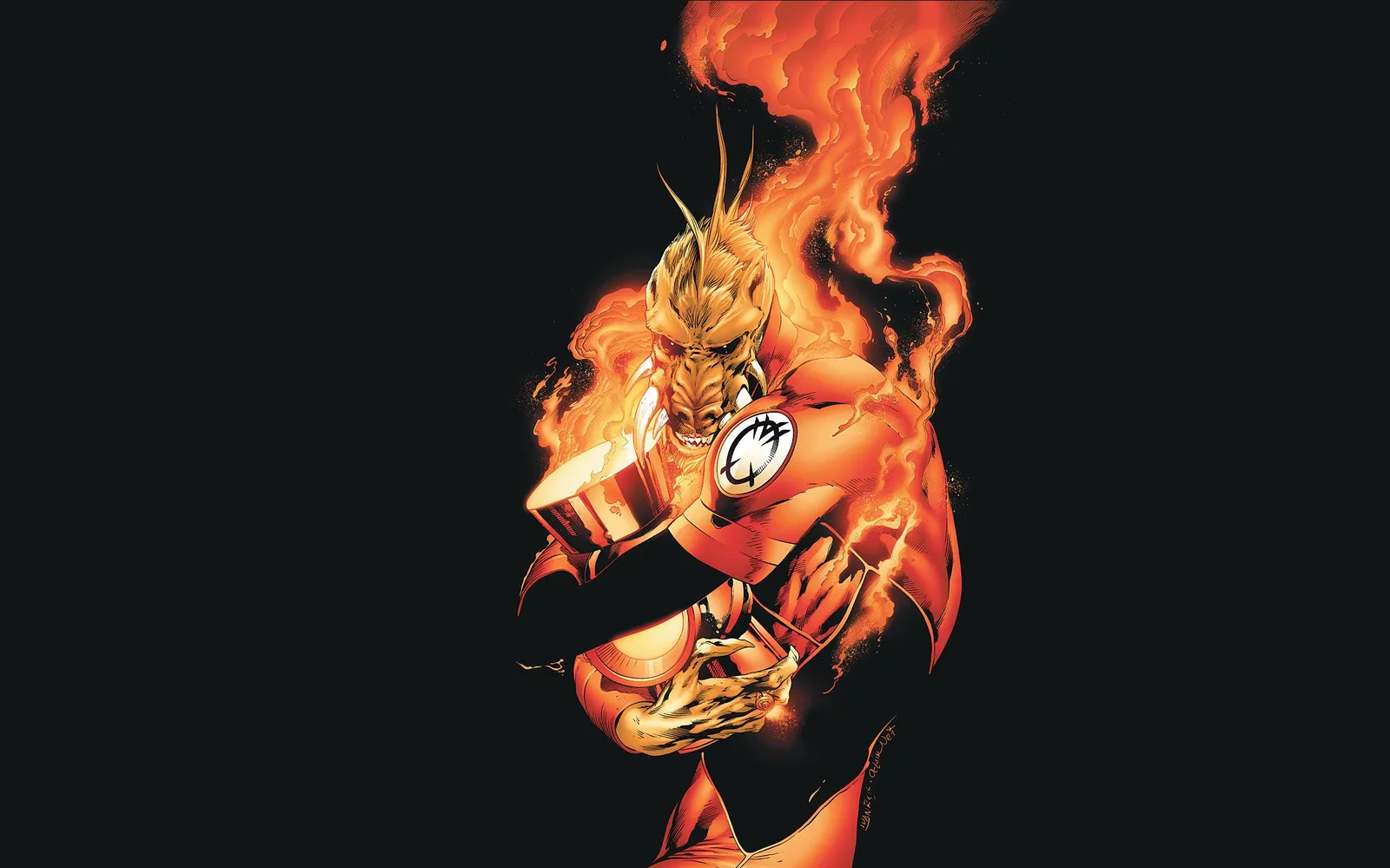
Red Lanterns — Red Lanterns (2011) #1 — main cover. Ed Benes (cover pencils); Rob Hunter (cover inks); Rod Reis (cover colors).
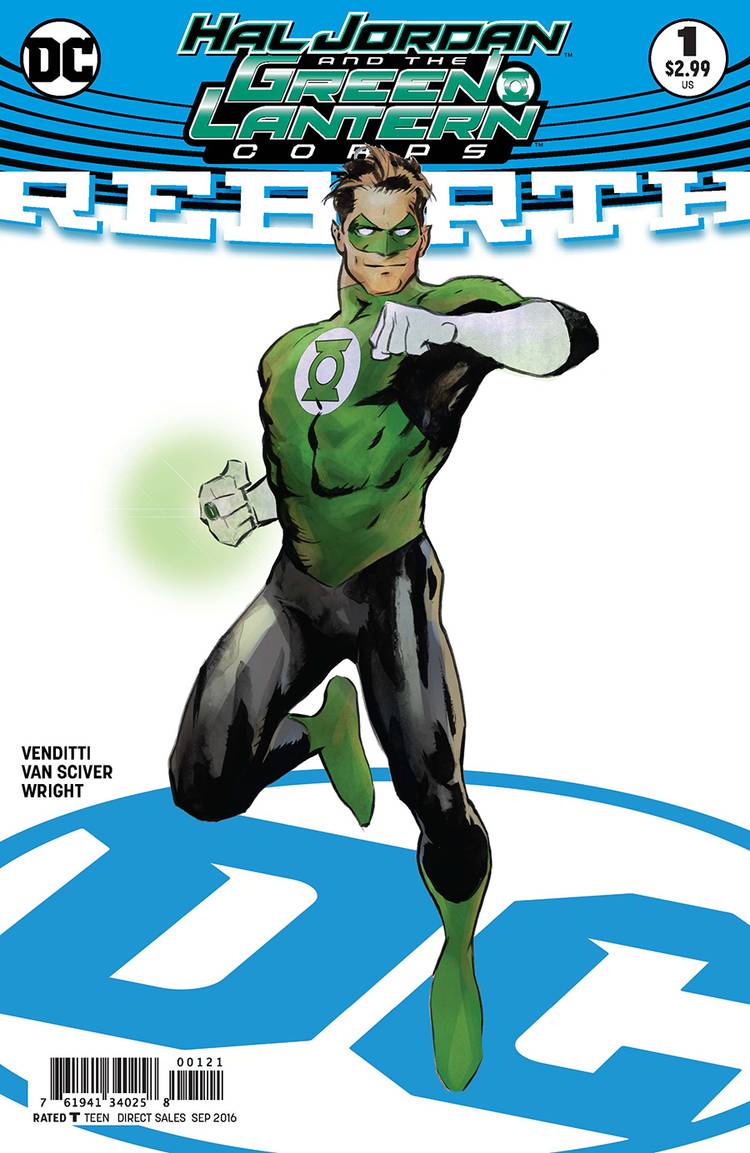
Hjglc — Hal Jordan and the Green Lantern Corps: Rebirth (2016) #1 — Cary Nord variant cover. Cary Nord (variant cover art).
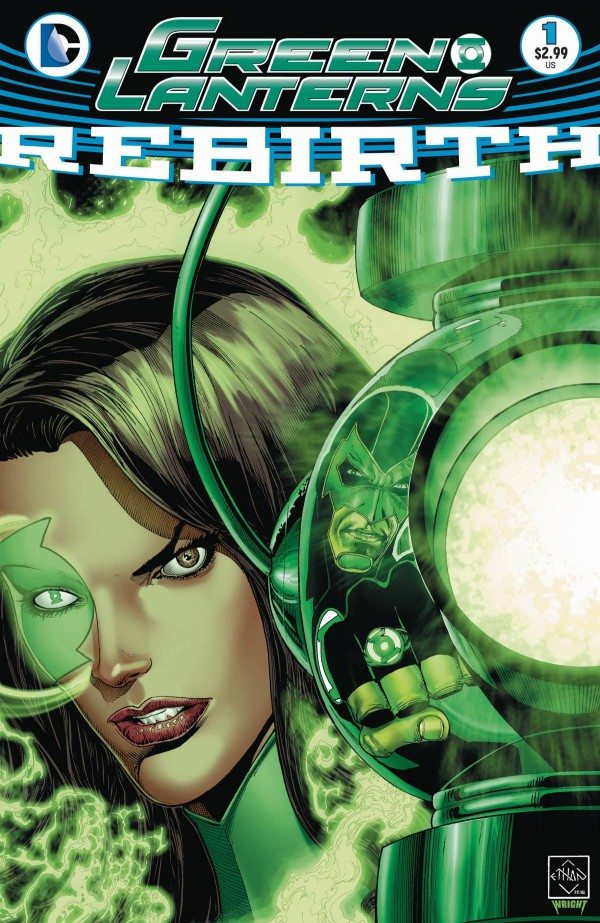
Green Lanterns — Green Lanterns: Rebirth (2016) #1 — main cover. Ethan Van Sciver (cover art); Jason Wright (cover colors).
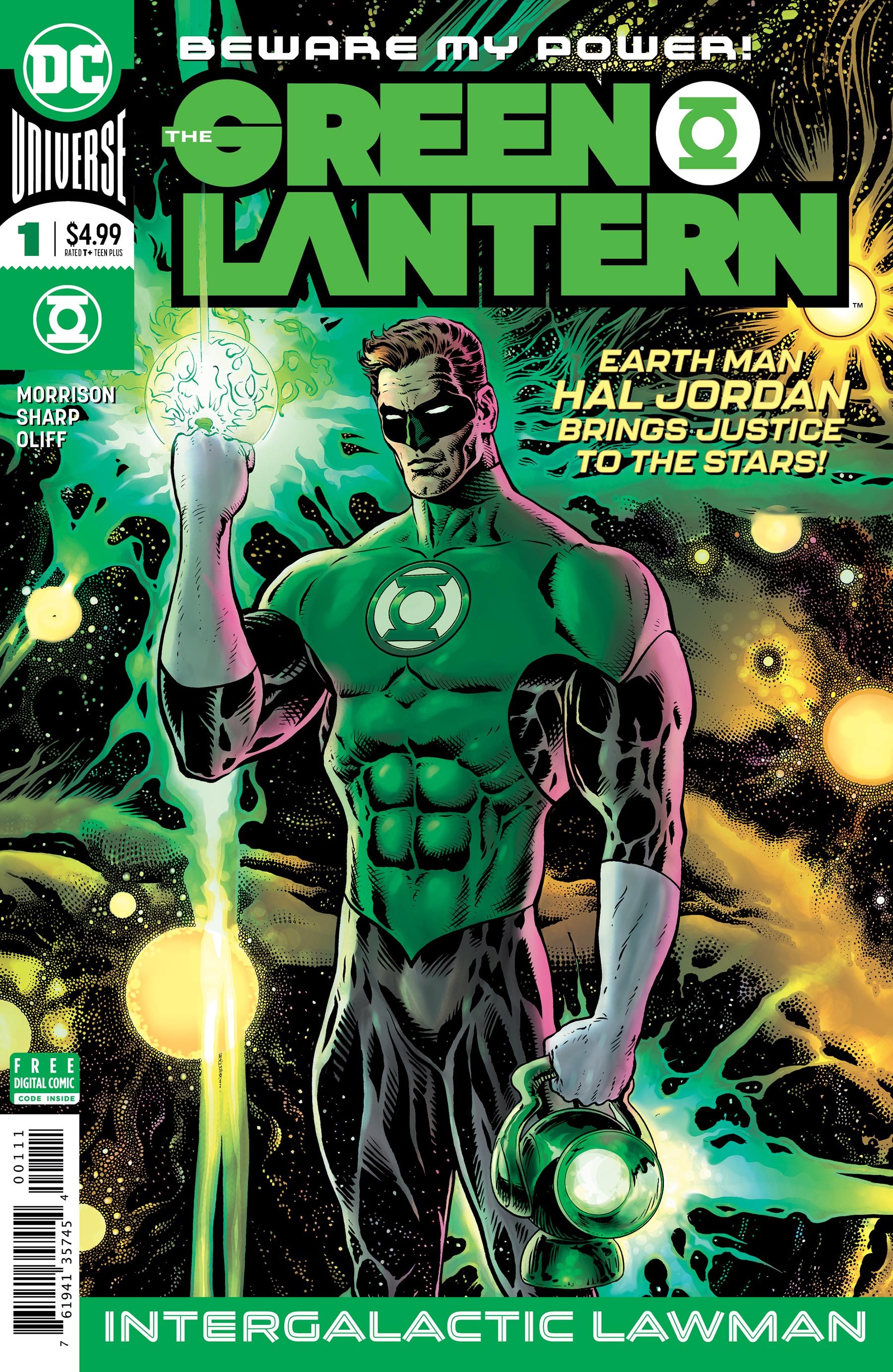
Morrison Gl — The Green Lantern (2018) #1 — main cover. Liam Sharp (cover art); Steve Oliff (cover colors).
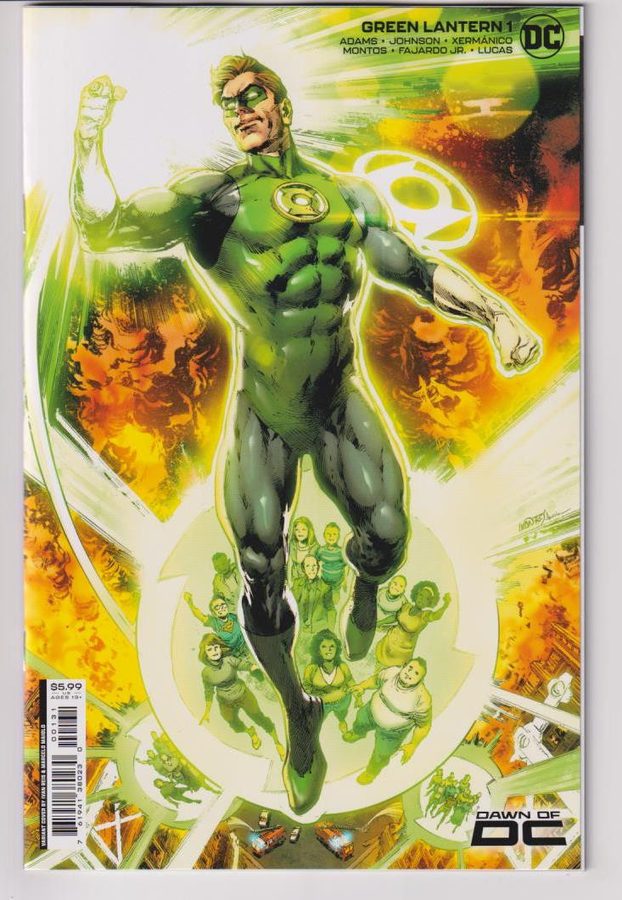
Current — Green Lantern (2023) #1 — Ivan Reis variant cover photograph. Ivan Reis (variant cover art); Marcelo Maiolo (variant cover colors).
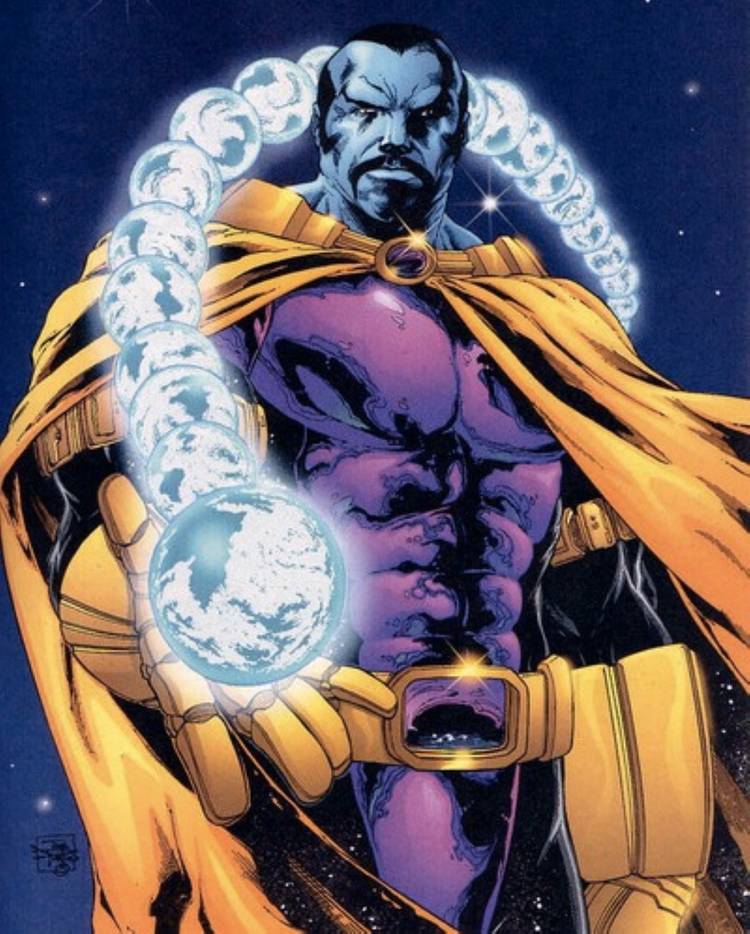
Krona — JLA-Z (2003) #2 — Krona profile illustration. Joe Prado (profile art); Tom McCraw (profile colors); Wildstorm FX (profile color separations).
Parallax — Green Lantern (2011) #35 (2014), Monster variant cover without trade dress. Ivan Reis (cover artist (publisher credit)); Joe Prado (cover artist (publisher credit)).
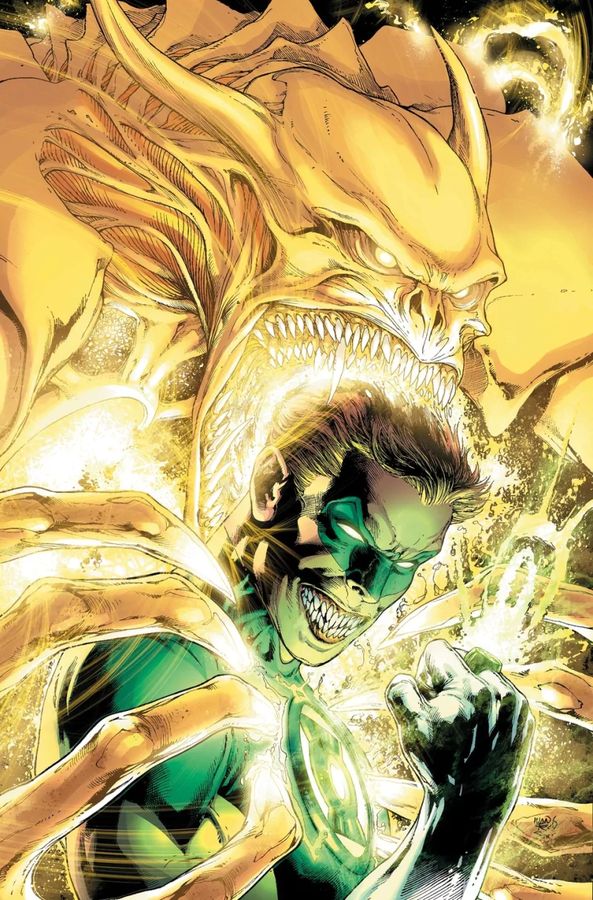
Orange — Green Lantern (2005) #39 (2009), main-cover artwork with a changed background. Ivan Reis (cover pencils); Oclair Albert (cover inks); Nei Ruffino (cover colors).
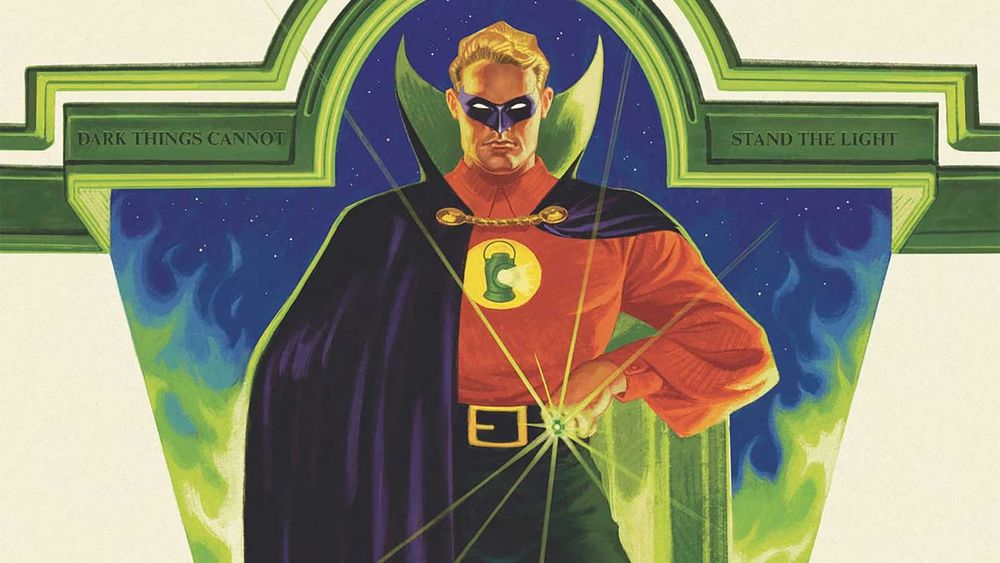
Alan Scott — Alan Scott: The Green Lantern #1 (2023), David Talaski cover, cropped detail. David Talaski (cover art).
Hal Showcase22 — Showcase (1956) #22 — main cover, photographed in a grading slab. Gil Kane (cover art).
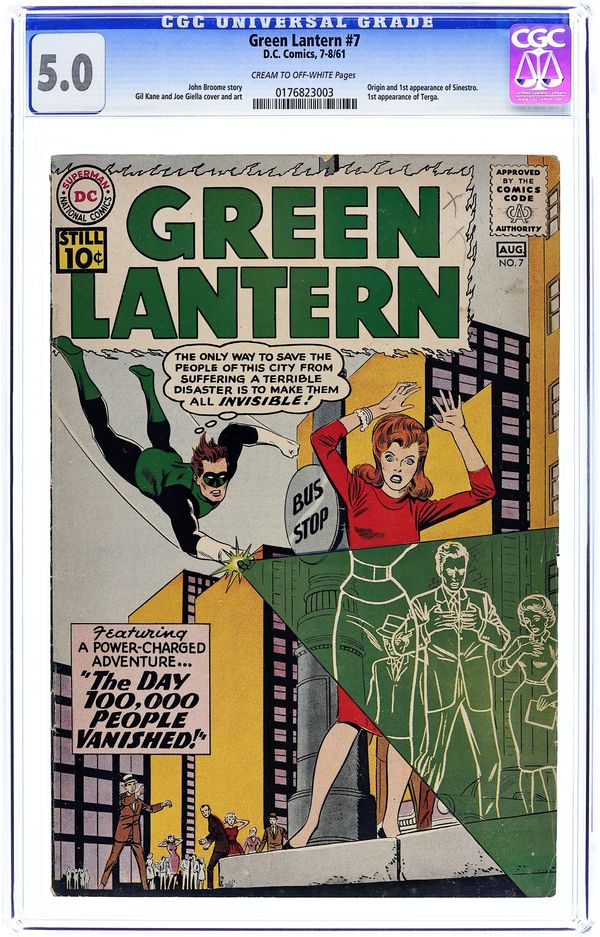
Sinestro Gl7 — Green Lantern (1960) #7 — main cover photographed in a grading slab. Gil Kane (cover pencils); Joe Giella (cover inks).
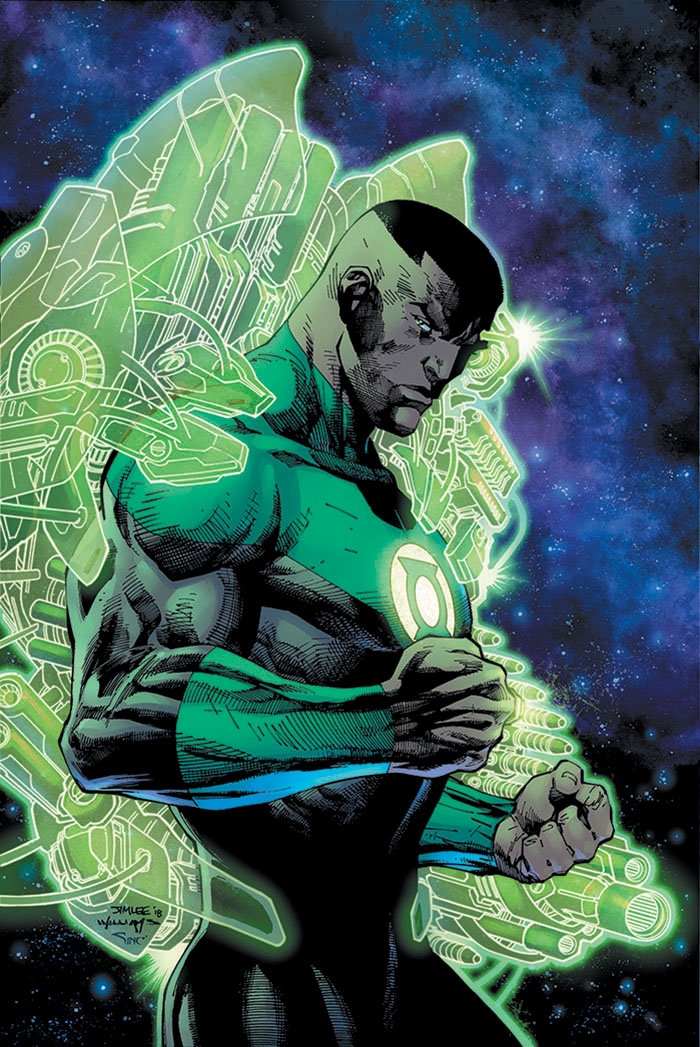
Xanshi Burns — Justice League (2018) #6 — Jim Lee/Scott Williams variant cover, also reused on John Stewart: A Celebration of 50 Years. Jim Lee (variant cover pencils); Scott Williams (variant cover inks); Alex Sinclair (variant cover colors).
Coast City Gl48 — Green Lantern (1990) #48 — main cover. Darryl Banks (cover pencils); Romeo Tanghal (cover inks).
Emerald Twilight — Green Lantern (1990) #50 — published Emerald Twilight Part 3 cover. Darryl Banks (cover pencils); Romeo Tanghal (cover inks).
Last Ring — Green Lantern (1990) #50 — interior excerpt from “Emerald Twilight Part Three: The Future”. Darryl Banks (interior pencils); Romeo Tanghal (interior inks); Steve Mattsson (interior colors); Albert De Guzman (interior lettering).
Kyle Ion — Green Lantern (1990) #181 — cropped main-cover artwork. Brandon Peterson (cover pencils, inks and colors).
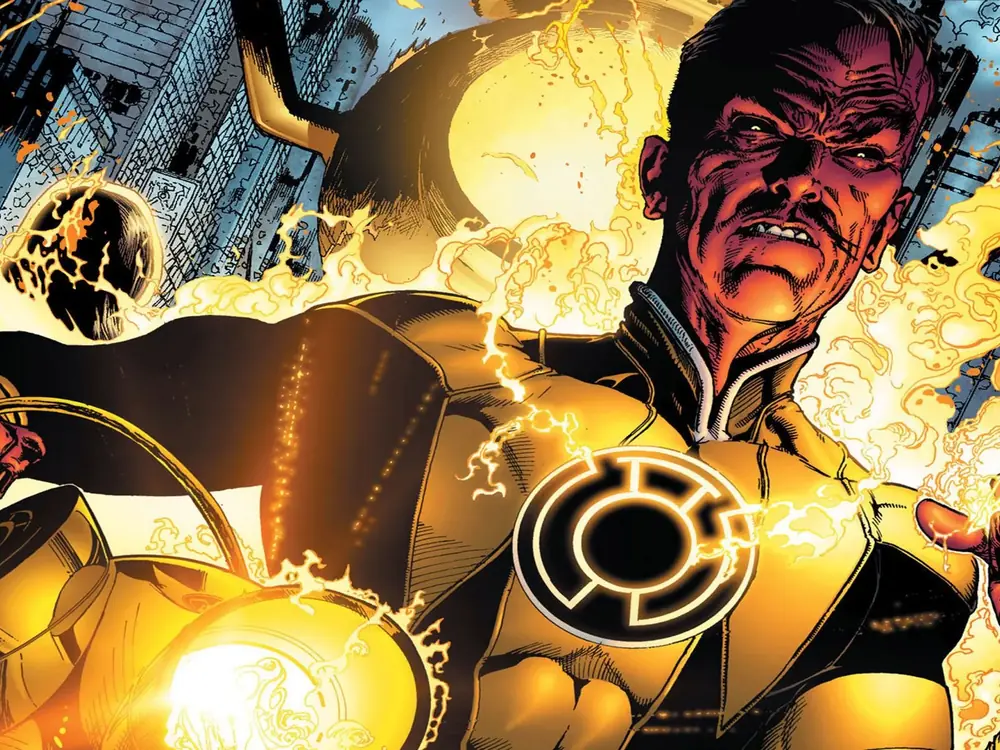
Yellow — Composite using Sinestro foreground from Green Lantern: Sinestro Corps Special #1 (2007), story page 4. Ethan Van Sciver (foreground illustration); Moose Baumann (foreground colors).
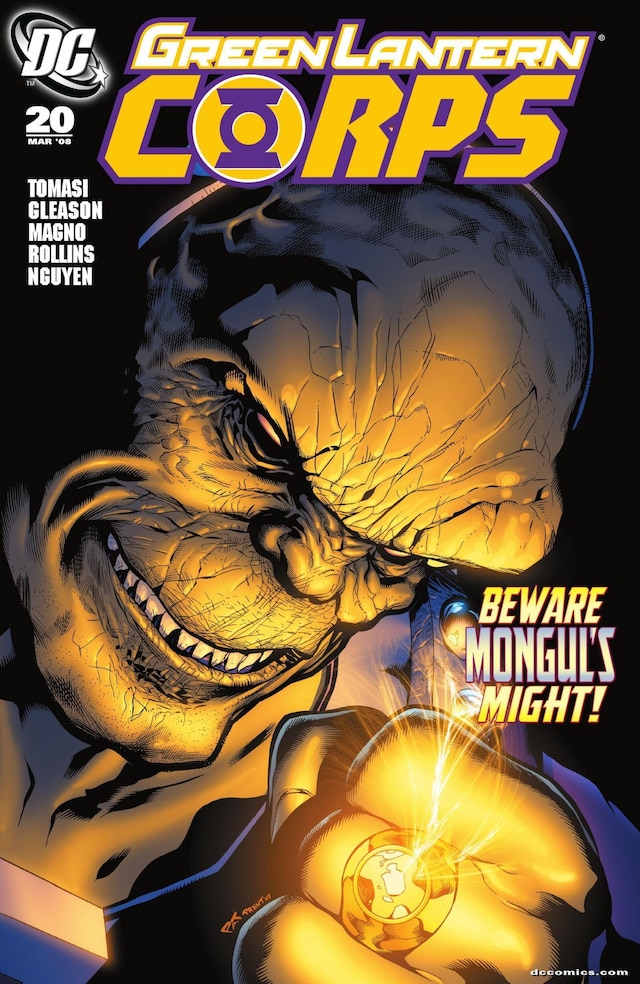
Ring Quest — Green Lantern Corps (2006) #20 — main cover. Patrick Gleason (cover pencils); Prentis Rollins (cover inks); Moose Baumann (cover colors).
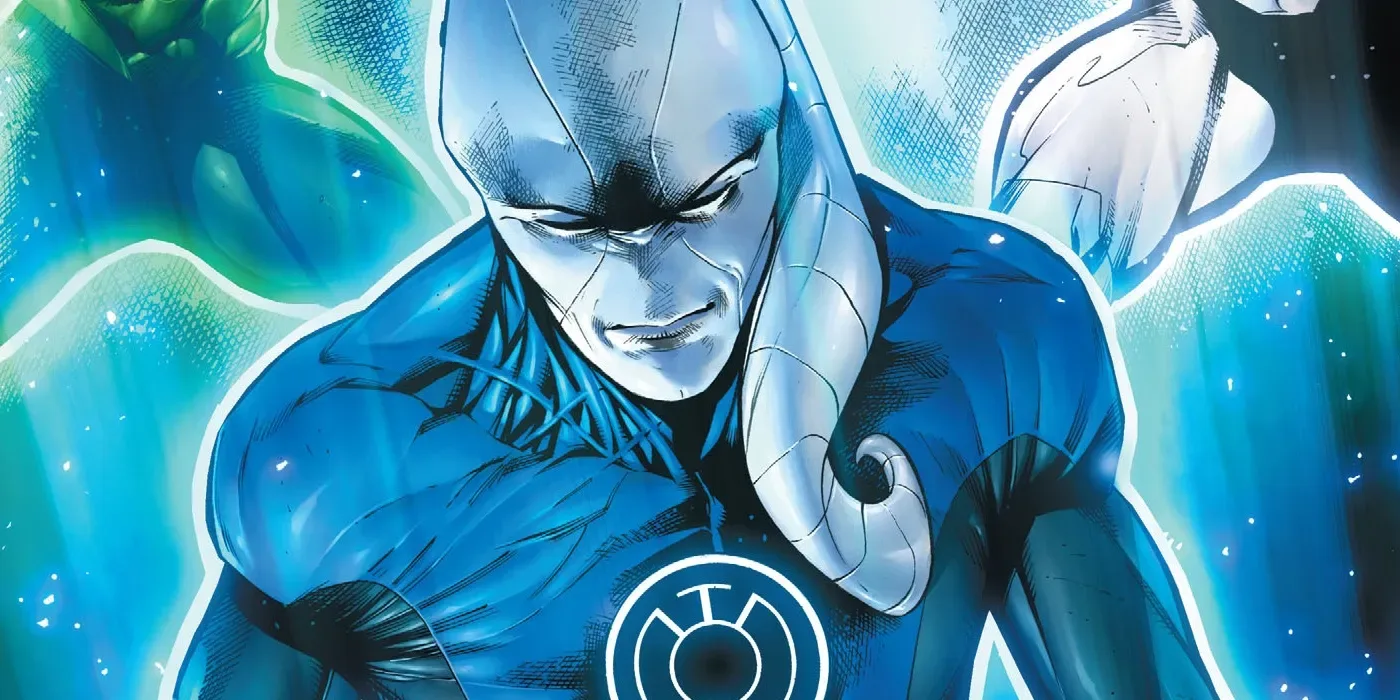
Blue — Hal Jordan and the Green Lantern Corps #14 (2017), main cover crop. Rafa Sandoval (cover pencils); Jordi Tarragona (cover inks); Tomeu Morey (cover colors).
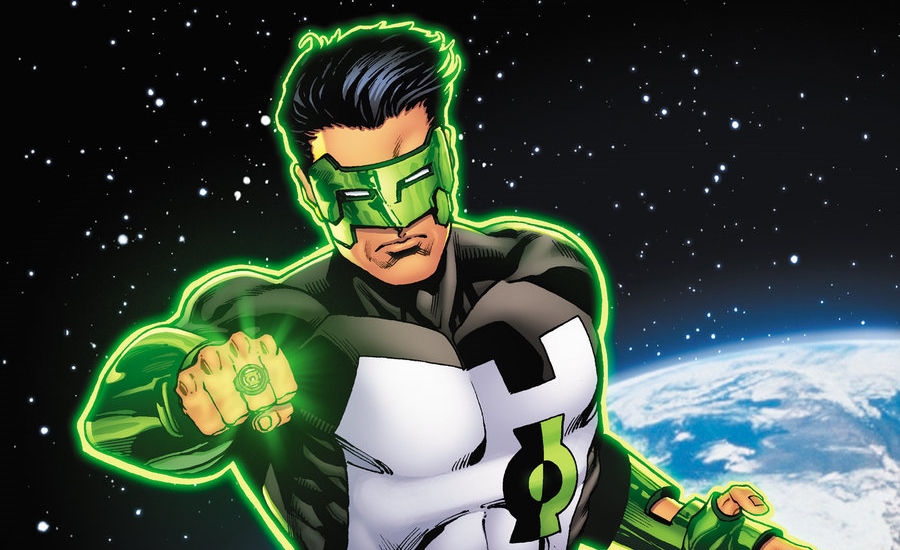
Kyle Rayner — Green Lantern (2023) #33 / legacy #600 (2026), David Nakayama variant cover, cropped detail. David Nakayama (cover art and colors).
Wrath First Lantern — Green Lantern (2011) #17 — main cover. Doug Mahnke (cover pencils); Mark Irwin (cover inks); Alex Sinclair (cover colors).
Lights Interact — Blackest Night: Tales of the Corps #1–3 (2009), joined main covers. Ed Benes (cover pencils); Rob Hunter (cover inks); Nei Ruffino (cover colors).
Books & collectibles
As an Amazon Associate I earn from qualifying purchases. Details.
 View on Amazon (paid link)