Start here without the ending: The premise and reading plan below avoid the resolution. Plot history and later continuity changes are in a closed section.
At a glance
Core issuesGreen Lantern (1990, vol. 3) #48–50 — three issues
Cover dates1994
WriterRon Marz
ArtBill Willingham, Fred Haynes and Darryl Banks, with inkers and colorists
This is part of the main comics continuity, following the destruction of Coast City in Reign of the Supermen. It is a turning point for both Hal and Kyle. Continuity guide.
Why read it?
Hal tries to recreate what he has lost with his ring. The Guardians challenge his use of its power, and the conflict becomes a test of the limits of their authority. Three issues make a dramatic change to the franchise; knowing the familiar ring premise is enough to follow the immediate dispute.
Watch for: the difference between saving people and trying to erase loss. Hal’s relationships with his fellow Lanterns make the confrontation more personal than a battle with a new villain. For a new reader who wants Hal’s usual heroic status first, Secret Origin is the gentler introduction.
Before, during and after
- Before — context, optional: Reign of the Supermen explains Coast City’s destruction. You can start here with that premise.
- Core: Green Lantern (1990) #48 → #49 → #50. “Emerald Twilight” is these three issues; collections often continue into the next storyline.
- Next — Kyle: continue with #51–55, commonly called “New Dawn,” and Kyle Rayner’s profile.
- Next — Hal: Zero Hour continues the 1990s thread. For the later reinterpretation, read Green Lantern: Rebirth #1–6 (2004–2005).
If you are following the modern Johns route, this is useful background rather than required homework: Rebirth supplies its own explanation.
People to follow
Story history and aftermath — major spoilers
What changes in the original story
Hal takes power from Lanterns sent to stop him, reaches Oa, and drains the Central Power Battery. Kilowog dies in the confrontation and Sinestro appears to die at Hal’s hands. The Corps collapses; Ganthet survives the catastrophe and gives a ring to Kyle Rayner. Hal emerges as Parallax. The issue sequence is Green Lantern #48–50; DC’s account of the lead-in to Zero Hour explains how the fall carries into the next event.
The later explanation is a retcon
Green Lantern: Rebirth later identifies Parallax as a separate fear entity that possessed Hal; the original 1994 story did not present that explanation. It also revisits Sinestro’s apparent death. Keep the story as first published separate from the later explanation when comparing summaries. DC’s chapter-by-chapter Rebirth guide traces that reinterpretation.
For the franchise, the immediate result is a change in scale: Kyle has to learn what being a Green Lantern means with little of the old institution available to support him. Hal’s story continues through Zero Hour and The Final Night; his return and the Corps’ rebuilding occur much later.
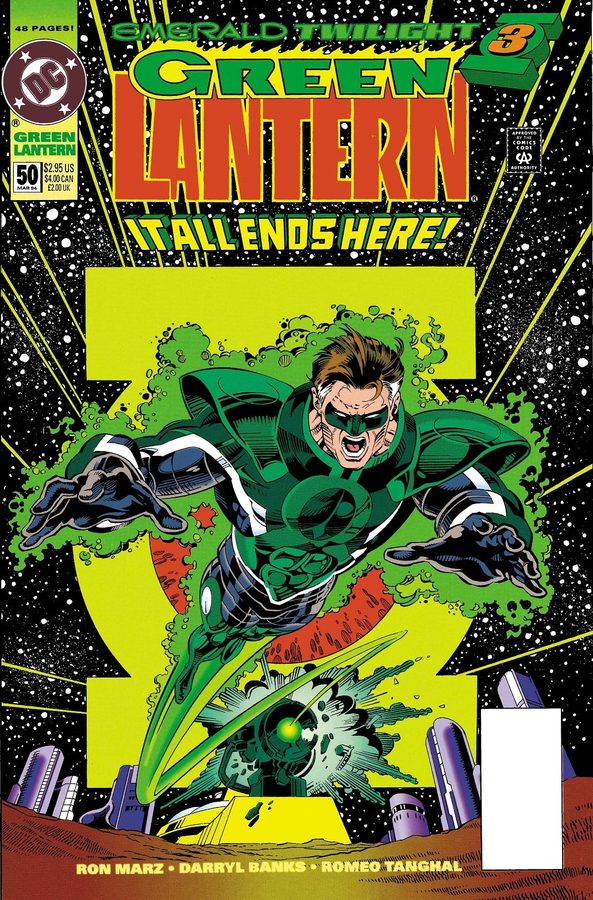
Green Lantern (1990) #50 — published Emerald Twilight Part 3 cover. Darryl Banks (cover pencils); Romeo Tanghal (cover inks). Artwork source & details.
Reading priorities and commentary are our editorial guidance. Issue ranges and publication context are checked against the linked publisher records. Reviewed November 4, 2026.
Artwork credits (5 images)
Credits refer to the illustrations shown here. Open a record for sources, adaptations and unresolved details. Some artwork and source pages contain story spoilers.
- Emerald Twilight — Green Lantern (1990) #50 — published Emerald Twilight Part 3 cover. Darryl Banks (cover pencils); Romeo Tanghal (cover inks).
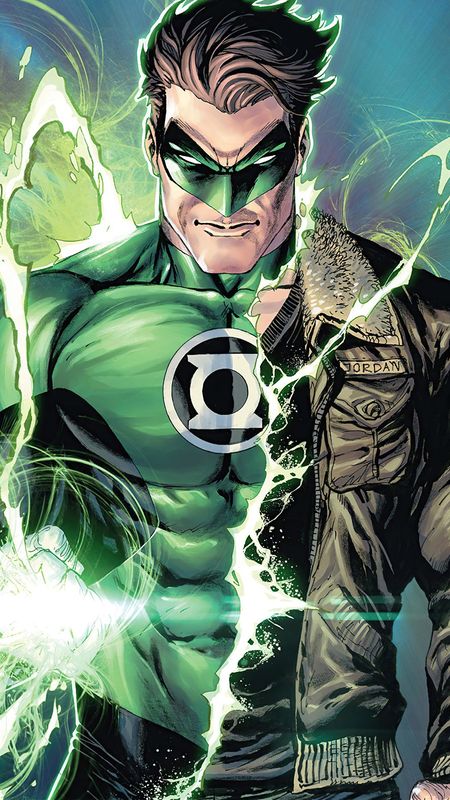
- Hal Jordan — Hal Jordan and the Green Lantern Corps #45 (2018), Tyler Kirkham variant cover, cropped detail. Tyler Kirkham (cover pencils and inks); Arif Prianto (cover colors).
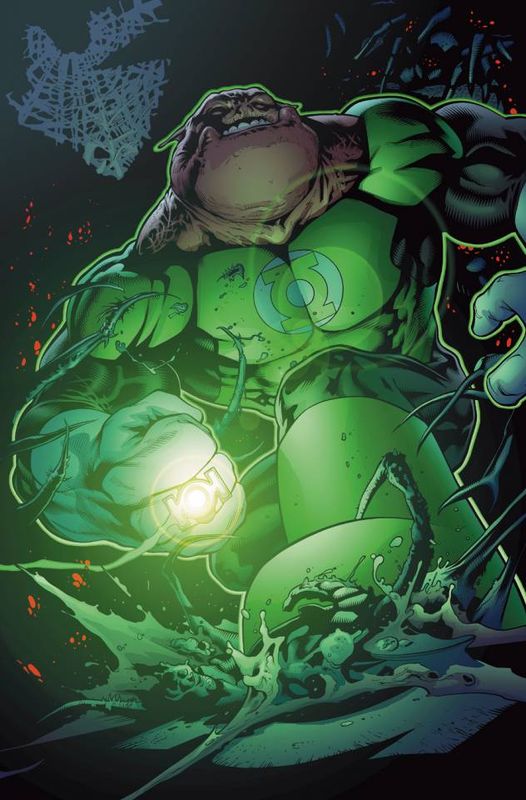
- Kilowog — Artist credit unconfirmed.
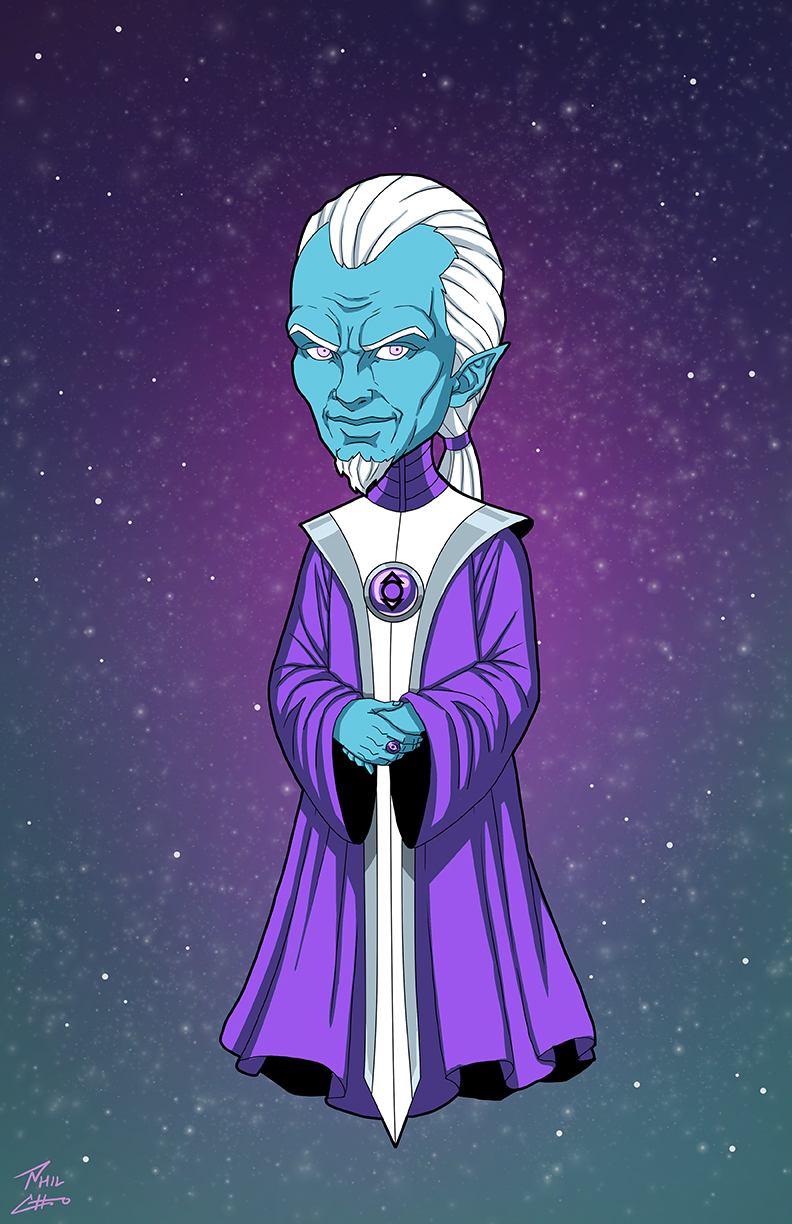
- Ganthet — Ganthet (Earth-27 fan project), commission (2018). Phil Cho (illustration).
- Kyle Rayner — Green Lantern (2023) #33 / legacy #600 (2026), David Nakayama variant cover, cropped detail. David Nakayama (cover art and colors).